

What Interior Designers Know About Tables That Buyers Often Miss
What do interior designers understand about tables that buyers often overlook?
Interior designers approach tables with long-term function, durability, and real-world use in mind. Buyers may focus on the visual impression, while designers consider how tables endure everyday behaviour over time. Their insight helps them anticipate wear, prevent issues, and choose pieces that perform in commercial spaces.
Table of Contents
Introduction: Why Tables Reveal the Biggest Gap Between Buying and Specifying
In a busy co-working space, someone drops their bag onto the table’s edge. Another leans against it during a quick chat. Cleaning staff shift chairs in and out several times a day. None of this stands out. However, to an interior designer, these ordinary actions clearly indicate potential trouble.
Tables seem simple, but no other furniture piece takes on more subtle wear, ongoing friction, or behavioural pressure. Designers understand this reality. Buyers often realise it only when signs of strain begin to show.
Visual appeal often leads purchasing decisions. Designers, however, think in terms of long-term outcomes. They anticipate gradual failures that build up unnoticed until the table feels beyond repair.
Why Interior Designers Don’t Judge Tables the Same Way Buyers Do
Designers avoid basing decisions solely on style or preference. Their choices reflect experience, awareness of risk, and long-term accountability. A buyer might admire a table’s look and feel, while a designer considers how it may behave six months later.
Years of work on commercial interiors and FF&E specification help designers spot patterns others miss. They have seen veneer finishes wear unevenly, joints loosen early, or fixings fail after moderate use. Each experience shapes future decisions.
While buying tends to centre on preference, specifying involves responsibility. That shift affects how every part of a table is assessed. Designers examine joinery, structural strength, fixings, and table layout while thinking ahead. This contrast between furniture buyers vs designers highlights why long-term thinking changes the outcome.
Pro Tip: Design intent matters, but daily behaviour defines how long a table will actually last.
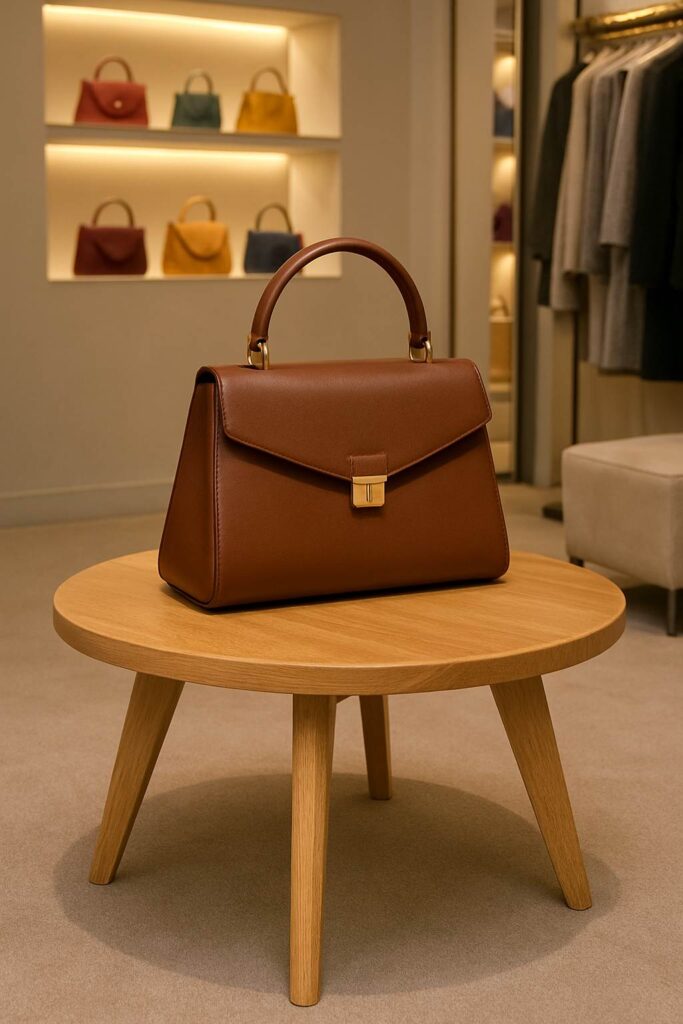
An AI photo of a round oak display table in a store.
Pro Tip: Never assume “commercial-grade” means fit for purpose—always check what was tested and how.
The Gap Between How Tables Are Meant to Be Used and How They Actually Are
Showroom displays and product brochures present tables in pristine conditions. In real settings, people lean, perch, drag, and stack. These everyday actions place more stress on tables than intended by the design.
In hospitality venues and office interiors, spaces shift frequently. A table used for a team session today may be relocated for an event tomorrow. Cleaning is done quickly, not delicately. Clients rearrange furniture without hesitation.
Designers prepare for this behavioural reality. Companies like Tablemaker – Made-to-Measure Tables for Commercial Interiors – understand how vital it is to match build quality with real-world demands. When choosing tables for commercial spaces, these small oversights can quickly turn into costly problems. They know intended use rarely matches actual use. Tables for commercial spaces must stand up to real-world behaviour, not just pass lab tests.
The Subtle Stress Points Buyers Rarely Notice Until It’s Too Late
Damage does not usually appear suddenly. It begins with subtle signs. A wobble from uneven floors. A chipped edge from repeated contact with chairs. Fixings that loosen after steady movement, not sudden force.
These are not faults–they are evidence of environmental stress and ongoing wear. Designers learn to recognise early signs and avoid construction that encourages failure over time. These inspections form the backbone of how designers evaluate table durability considerations in real spaces.
By examining table construction, joint tolerances, and joinery details, designers spot weak points in advance. Stylish tables that hide poor craftsmanship beneath polished surfaces rarely last long.
What “Commercial” Really Means in Practice (and Why Designers Are Skeptical)
To buyers, the phrase “commercial-grade” feels like a guarantee. For designers, it prompts questions. There is no consistent definition of ‘commercial-grade’; what qualifies varies greatly depending on context, product, and supplier.
“Commercial” might mean tougher finishes, added weight capacity, or slightly different materials. Designers want clarity. They ask what parts were tested, how they performed, and under what conditions.
The furniture in a quiet meeting room will need different strengths than one in a busy café. Designers rely on practical judgement, not vague labels, to avoid mismatched expectations and premature wear.
Custom Tables Built to Last
Tell us what your space needs and we’ll build a made-to-measure table that’s ready for real use, not just for looks.
Request a QuoteWhy Designers Think in Years, Not Purchases
A buyer might wonder how a table looks on delivery. A designer asks how it will look in three years.
Designers plan for long-term performance. A table that wears early, cannot be repaired, or looks dated too quickly undermines its value. It brings added cost and damages confidence in the space.
Lifecycle costing, repairability, and visible wear patterns all influence decisions. Designers prefer materials that handle regular cleaning and shapes that allow replacement of damaged parts. These choices support longevity and reduce disruption.
Clients may not comment on a table that performs reliably for years, but they will certainly notice one that fails prematurely.
When Visual Appeal Quietly Undermines Long-Term Performance
Some tables impress visually but struggle with durability. While slim profiles, high-shine finishes, and sharp corners may align with current trends, they often bring practical challenges in demanding environments.
Designers consider how a table functions in real settings. A sleek, thin top may limit fixing depth. A fashionable finish may scratch easily. Refined edges might chip quickly with routine contact.
Designers respect styling, but they prioritise substance. They may choose a thicker edge, a finish that masks wear, or reinforcements that keep the form intact.
To verify quality, many designers check for tactile clues. They run fingers along edges for sharpness, check beneath the top for fixings, and apply gentle lateral force to test joint movement. These subtle checks reveal more than aesthetics ever will.
These trade-offs demonstrate practical, well-informed decision-making. However, there are specific situations where visual impact rightly takes priority over durability. In reception areas or high-design spaces, style can take the lead—if chosen with intention and backed by basic durability.
What Buyers Can Learn by Borrowing a Designer’s Way of Thinking
Buyers do not need to become designers to benefit from a shift in perspective. At Tablemaker, we regularly collaborate with interior designers and commercial clients to create tables that align with long-term performance expectations. Asking better questions is often enough.
What kind of wear will the table face? How will it be moved, cleaned, and handled day-to-day? What fails first—fixings, surface, or structure?
Designer hesitation reflects experience with consequences. By focusing on outcomes rather than surface labels or first impressions, buyers make smarter purchases that last longer and perform better.
Designers view tables as practical tools that shape daily behaviour and space usability, not just standalone furniture pieces. Buyers can adopt that mindset by considering a few targeted questions. Adopting just a touch of interior designer insight on furniture helps them make choices that last longer and look better doing it:
How was this table tested?
What lies beneath the surface finish?
Are the joints secure and serviceable?
By considering these questions, buyers build confidence, avoid early failures, and select tables that truly suit their space and purpose.
Work With Designers Who Get It
We speak your language—collaborate with Tablemaker to specify tables that meet both creative and commercial demands.
Start a Project
Tablemaker
55 High St, London N8 7QB
02083416334
HVQM+58 London