Posted on

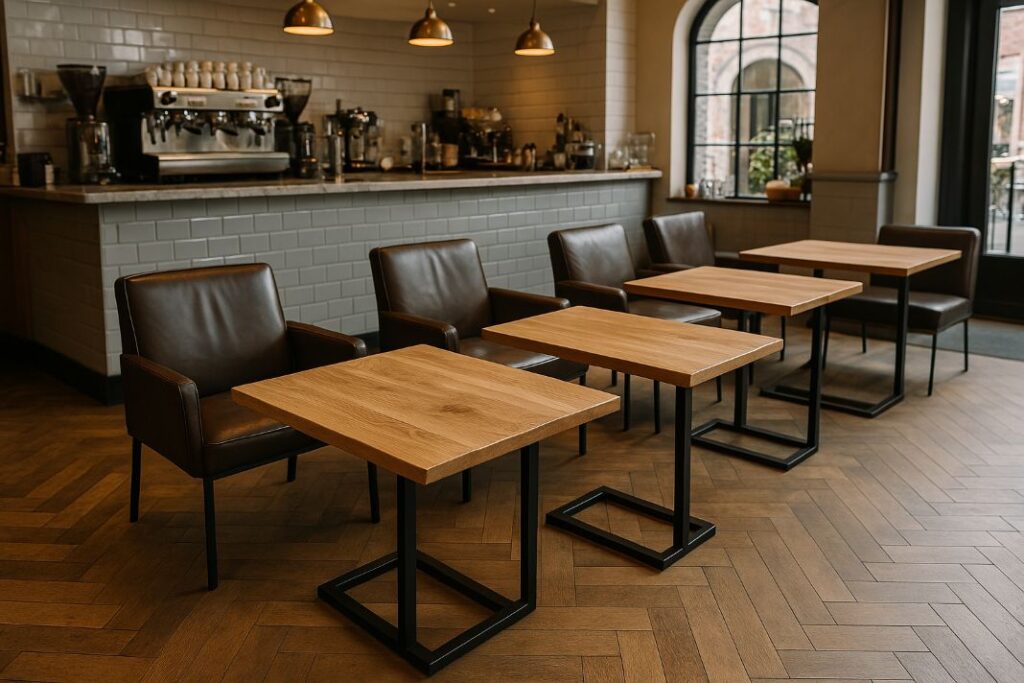
What Are the Differences Between Café and Pub Tables?

Featured image

What Are the Differences Between Café and Pub Tables?

What are the key differences between café and pub tables in commercial settings?

Café and pub tables differ significantly in height, size, function, and the environments they serve. In hospitality design, choosing between the two is not just a matter of taste but a strategic decision that impacts comfort, layout efficiency, branding, and customer experience. Café tables are typically compact and suited for relaxed, short-term visits in bright, sociable settings like coffee shops and bistros. Pub tables, on the other hand, are often taller, more robust, and built for high-volume environments such as bars and gastro pubs where social interaction, standing, and longer dwell times are common.

Defining the Essentials

What is a Café Table?

A café table is a smaller table, often between 28 to 30 inches in height, designed to fit compact spaces. These tables cater to short-term visits and casual interactions, typically paired with standard dining chairs. They encourage intimacy and efficiency, making them ideal for solo customers, couples, or fast-paced foot traffic.

What is a Pub Table?

Pub tables, also known as bar height tables, generally range from 40 to 42 inches in height. These are purpose built for social settings, often accompanied by bar stools and designed to accommodate groups. Their height encourages standing interaction and longer dwell times, making them a fixture in bars, breweries, and public houses.

Who Uses Each and in What Context?

Café tables are common in coffee shops, bakeries, and fast casual eateries where space optimisation and quick table turnover are essential. Pub tables suit establishments where patrons linger longer, such as taprooms and sports bars. Understanding these environments helps businesses plan layouts that support their operational goals.

Dimensions and Ergonomics

Typical Café Table Dimensions

Standard café tables measure around 28 to 30 inches in height and come in compact diameters, typically 24 to 36 inches. These sizes promote efficient use of space and can easily accommodate two to four guests with standard height chairs.

Pub Table Height and Ergonomics

Pub tables range from 40 to 42 inches in height, pairing with stools between 28 and 30 inches. This creates an elevated seating experience suitable for prolonged use. While sociable and practical for larger groups, the taller height necessitates careful ergonomic consideration to ensure comfort and accessibility.

Compliance and Inclusive Design

In the UK, compliance with accessibility standards is important. Ensuring a mix of table heights within a venue can support diverse customer needs. Café tables allow for easy wheelchair access, while pub tables should offer at least one lower height seating option. Providing a balance improves usability and ensures venues are inclusive to everyone.

Design Psychology and Atmosphere

How Table Design Influences Mood

The shape, height, and materials of tables affect how people feel and interact. Café tables are often designed to support calm, one to one or small group conversations. Their lower height helps create a sense of closeness and privacy. Pub tables, being taller and often shared by more people, promote conversation among groups and encourage a livelier setting.

Seating Posture and Social Habits

Sitting at a café table feels different from perching on a stool at a pub table. One is grounded and relaxed, the other is open and informal. Understanding how posture influences behaviour can help you choose tables that support your customers’ needs. For example, pubs might want to keep energy high and encourage longer stays, while cafés might prefer quicker visits and a steady turnover.

Matching the Mood to the Venue

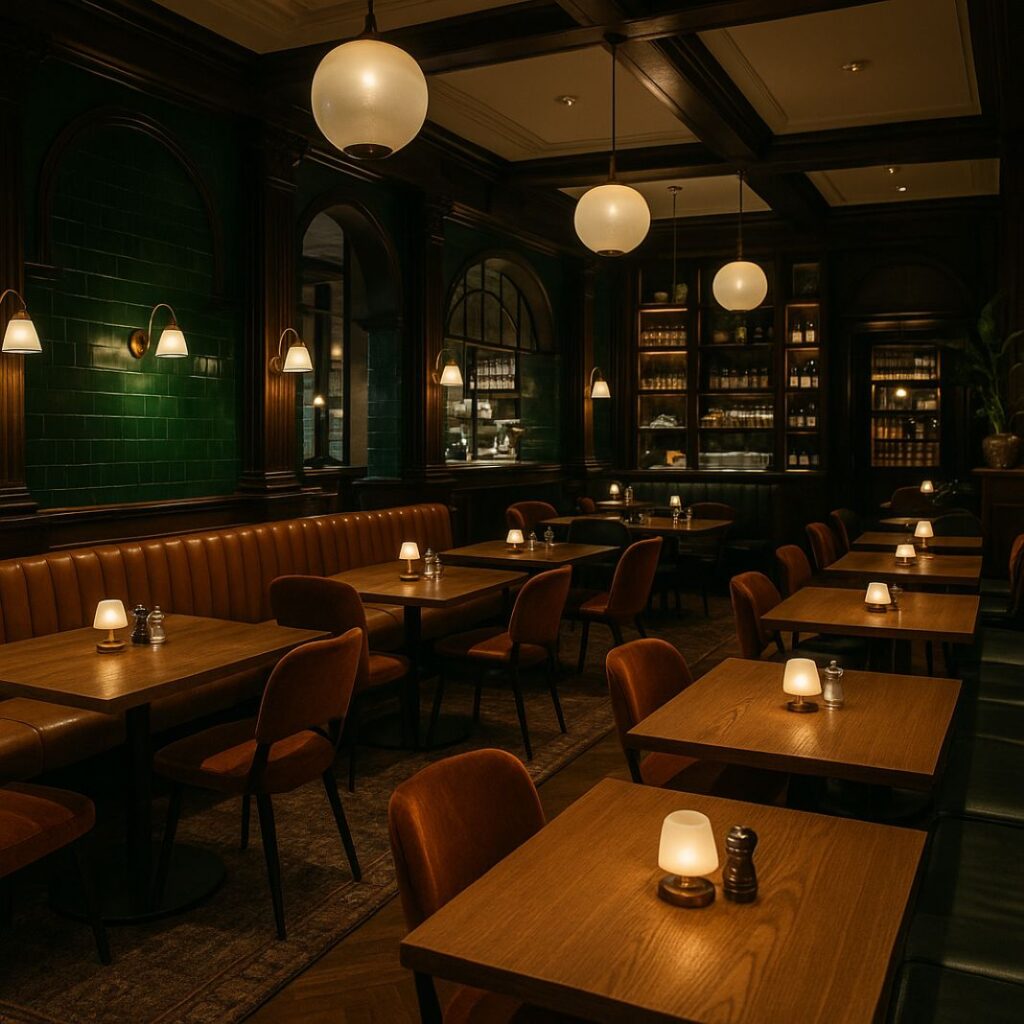
Café tables lend themselves well to soft lighting, acoustic comfort, and warm interiors. Pub tables are often used in louder, more active spaces, sometimes complemented by wall mounted menus or sports screens. Both settings benefit from thoughtful design that supports the way people use them.

Pro Tip: If your venue experiences high footfall, choose finishes like hardwax oil that allow easy spot maintenance and refinishing without downtime.
Pro Tip: Always measure your chair or stool height in relation to table height, not just overall size. A common mismatch causes long-term discomfort for customers.

Commercial Use Cases

Where Café Tables Work Best

Café tables are well suited for coffee shops, sandwich bars, bakeries, coworking lounges, and even quiet areas within larger venues. Their small footprint makes them ideal for high footfall areas where customers tend to stay for shorter periods. They are also used in alfresco seating and casual indoor installations.

Best Settings for Pub Tables

Pub tables suit busy bar areas, taprooms, cocktail lounges, and sports pubs. They work well in places where customers like to linger, either seated or standing. The taller height suits bar stools and encourages a flow of conversation. They are also handy for accommodating shared platters and drinks rounds.

Examples of Mixed Use

It is not uncommon for modern venues to combine both types. A café might use pub tables in the window area for people watching, while a bar might include a few café height tables to cater for families, older guests, or accessibility reasons. Mixing table types can make a venue feel more welcoming and adaptable.

Materials and Durability in Hospitality Settings

Choosing the Right Materials

In commercial venues, furniture needs to withstand high levels of wear. For café and pub tables, solid oak tables such as those from a commercial furniture supplier offer strength, visual appeal, and long term reliability. Veneered chipboard may reduce initial cost but can look worn quickly.

Finishes That Last

Tables in cafés and pubs are exposed to liquids, cleaning agents, and regular use. A hardwax oil finish offers deep surface protection while maintaining a natural wood appearance. It penetrates the timber rather than forming a top coat, allowing easy spot maintenance and reapplication when required.

Maintenance and Practicality

Commercial tables must be easy to clean and feel solid when in use. Smooth surfaces reduce cleaning time and improve hygiene. Flat pack delivery is helpful for access and logistics, but strength remains essential. Traditional joinery methods increase durability and reliability even for flat packed furniture.

Space Planning and Layout Design

Optimising Table Placement in Small Cafés

In cafés under 50 square metres, spacing tables at a minimum of 750 mm apart allows comfortable movement while maximising capacity. Wall-mounted banquettes combined with small custom café tables enable flexible layouts that adapt to peak periods. Window-height bar tables can attract walk-ins looking for quick stops.

Maximising Floor Efficiency in Pubs

Pubs benefit from zoning. Use tall pub tables along the perimeter for drinkers and standing guests, and shorter café-height tables in quieter corners for diners. Central communal pub tables help with crowd dispersion during events or matches. Choosing consistent finishes ties together diverse layouts into a cohesive look.

Accessibility and Regulations

It is important to follow UK accessibility regulations when planning your space. Providing clear walkways and varied seating heights can help meet those expectations. For more on practical size advice, see our table guide or contact a commercial furniture supplier.

Aesthetic Alignment with Brand Identity

Matching Tables to Interior Themes

Choosing furniture that aligns with your brand’s visual identity strengthens how your venue is perceived. Café tables in oak or light ash with simple silhouettes complement minimalist or Scandinavian interiors. Pubs may benefit from darker finishes or chunky grain textures that echo tradition or industrial character. Colour, shape, and detailing all contribute to a cohesive brand story.

Visual Harmony Across Furniture

Using the same material across both table tops and chair frames creates a consistent look. Where contrast is used, for example with black metal legs under natural oak tops, ensure the tones are balanced and repeated elsewhere. For instance, black menu boards or pendant lights can echo the colour used on table bases, reinforcing design unity.

pub furniture for trade buyers?

From pubs to coffee shops, we support UK-wide fitouts with solid oak, made-to-order tables.

Request a Quote

Customisation Options for Commercial Spaces

Custom Dimensions and Layout

Custom-built tables allow businesses to tailor furniture to their specific spatial needs. Whether it’s a tight café corner or a large communal space in a pub, choosing the right dimensions improves functionality and layout flow. Many suppliers, including Tablemaker, offer custom sizing, edge profiles, and base configurations.

Branding Through Finishes

Beyond size, finishes can be used to reflect a venue’s character. A natural finish may suggest simplicity and eco-awareness, while stained or painted finishes can enhance vintage, modern, or industrial themes. Some suppliers offer engraved logos or colour-matched bases to further align furniture with brand identity.

Compliance and Safety Considerations

Fire Safety and Surface Performance

Hospitality tables must comply with UK fire safety standards, particularly in enclosed public spaces. Materials and finishes should be fire-retardant or treated accordingly. Hardwax oils and commercial-grade lacquers are popular choices that meet safety without compromising appearance.

Stability and Joinery

Commercial tables are often subjected to heavy use. Choosing tables with durable joinery, such as mortise and tenon or dowel reinforced structures, can significantly improve performance. Adjustable feet also help with stability, especially in older buildings with uneven flooring.

Sustainability and Environmental Responsibility

Material Sourcing

Conscious design choices are now standard in hospitality. Tablemaker sources FSC-certified timber and low-emission finishes to support sustainability. Customers increasingly favour durable furniture over fast replacements to reduce environmental impact.

End-of-Life Planning

Unlike mass-produced furniture, solid wood tables can be sanded and refinished. This makes them more sustainable in the long term, offering customers a piece that can evolve with the venue rather than needing replacement.

Cost and Return on Investment

Upfront Cost vs Long-Term Value

Though pub and café tables vary in price, the true value comes from how well they perform and how long they last. A slightly higher investment in quality materials such as solid oak tables often results in reduced maintenance, fewer replacements, and better aesthetics over time.

Revenue Per Square Metre

Smart table selection can influence turnover and revenue. For example, smaller custom café tables may generate high turnover during peak hours, while pub tables can encourage longer stays and larger spend per head. Tailoring your table plan to your business model is vital.

Choosing the Right Furniture Supplier

What to Look For

Choose a commercial furniture supplier that offers material transparency, experience in the hospitality trade, and options for customisation. Look for reviews, lead times, and after-sales support. Suppliers like Tablemaker specialise in helping trade clients source reliable, durable furniture.

UK-Based Support

Tablemaker operates from London and provides nationwide service. Working with a local supplier can help with quick deliveries, better communication, and on-site support if needed. This is especially valuable for pubs and cafés with fitout deadlines.

Trade-Ready Custom Solutions

From small batch orders to full interior projects, working with a supplier that understands hospitality can make procurement easier. Ask about moisture-resistant finishes, flat-pack shipping, commercial leg brackets, and aftercare kits.

Final Summary

Café and pub tables do far more than provide a surface. They shape customer flow, influence dwell time, reflect your brand, and affect your venue’s atmosphere. Understanding the functional, aesthetic, and commercial differences between the two ensures you choose the right table type for your space.

For hospitality furniture that works as hard as you do, explore customisable, commercial-grade tables from Tablemaker. Built in London, made for trade.

FAQs

Are café and pub tables the same height? No. Café tables are typically 28 to 30 inches high, while pub tables are 40 to 42 inches tall.

Can pub tables be used in café settings? Yes, especially near windows or communal areas, but consider accessibility and customer comfort.

What materials last longest in commercial spaces? Solid hardwoods like oak, sealed with hardwax oil, are preferred for strength and longevity.

How can I mix table types in one venue? Create zones for different table heights, matching materials or colours to maintain consistency.

Can I order tables in custom sizes and finishes? Yes. Tablemaker offers bespoke sizing, wood types, stains, and leg styles for trade buyers.
Need Custom Café or Pub Tables?

Let us build the perfect table for your venue. Designed to match your brand, built to last.

View Shop
Tablemaker

55 High St, London N8 7QB

02083416334

HVQM+58 London
 

Posted on

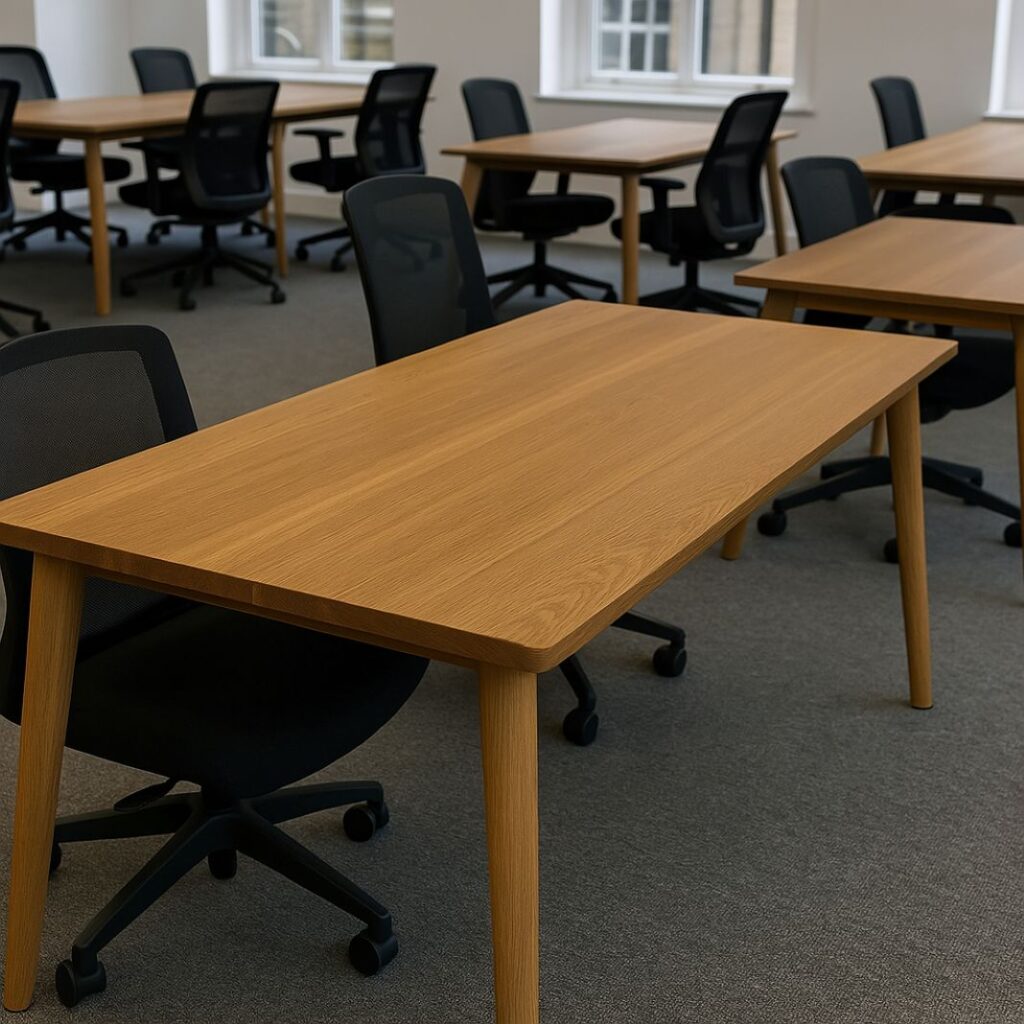
Are Your Tables Suitable for Commercial Use?

Featured image - commercial use tables

Are Your Tables Suitable for Commercial Use?

Are Your Tables Suitable for Commercial Use in Professional Settings?

Yes, if you’re using tables in busy places like restaurants, offices, schools or healthcare facilities, they need to be made to handle more wear and tear than your average home table. Commercial tables should be safe, sturdy, easy to clean and last for years without constant repairs. At Tablemaker in London, we specialise in building tables that are fit for real, everyday commercial use. Here’s how to tell if your tables are up to the job.

What Defines Commercial Use for Tables?

Understanding Commercial Environments

Commercial furniture is made for places where many people use it regularly. That includes hospitality venues like pubs and cafés, as well as shared spaces such as schools, care homes, hospitals, and corporate offices. These tables see far more use than a dining table at home, so they have to be built to match.

The Difference Between Residential and Commercial Furniture

Tables used at home are designed for comfort and occasional use. Commercial tables have to cope with constant use, heavier items, people leaning or standing against them, and regular cleaning. The materials are tougher, the joints are stronger, and the overall build is made to last longer.

Core Features of Commercial-Grade Tables

High-Performance Materials

You’ll often find commercial tables made from solid wood, compact laminate, steel frames or high-pressure laminate. These materials are chosen because they hold up well over time and are much easier to keep clean. They’re also less likely to chip or stain.

Reinforced Structural Integrity

Tables in commercial spaces need strong legs, joints and support. Features like metal brackets, crossbars and sturdy legs stop them from becoming loose or wobbly. This is especially important in places where tables are moved around or used by a lot of people daily.

Surface Protection and Wear Resistance

The surface of a commercial table should be able to handle coffee spills, hot plates, cleaning sprays and more. That’s why finishes often include heat-resistant coatings, stain resistance and anti-microbial layers to keep them hygienic.

UK Compliance and Regulatory Standards

Fire Safety Requirements

In the UK, tables for commercial use need to meet BS 5852 fire safety standards. This applies to upholstery and surfaces that might come into contact with heat. It’s one of the ways businesses keep customers and staff safe.

Load and Stability Certifications

Standards like BS EN 15372 and BS EN 1730 mean that a table has been tested for stability and how much weight it can handle. These certifications are important for furniture used in public or shared spaces, where people expect tables to be sturdy and reliable.

Pro Tip: Modular tables with replaceable parts can save you money over time. Instead of buying new, you can refurbish or upgrade just one component.

Pro Tip: If your table has no certification labels or visible reinforcements, it might not be suitable for commercial use. Always ask for specification sheets.

Design Considerations for Commercial Spaces

Brand Identity and Interior Cohesion

Tables can say a lot about your business. Whether you want something modern, traditional, or industrial, the look and feel should match the space. At Tablemaker, we can help businesses choose styles and finishes that fit their branding and the purpose of the room.

Application-Specific Functionality

Some businesses need tables that fold away, stack or have integrated charging points. Others need long benches or high tables for standing meetings. It depends on how the space is used, and the right table should make daily work easier, not harder.

Longevity, Maintenance and Operational Efficiency

Cleaning and Hygiene Efficiency

It’s important that tables can be cleaned quickly and often. Smooth, sealed surfaces are easier to wipe down and keep germ-free. This matters especially in food service, healthcare and education where cleanliness is part of the daily routine.

Component Replaceability and Repairs

When something wears out, it’s useful to be able to fix just that part. Many commercial tables have replaceable legs, tops or brackets. This makes it easier and cheaper to keep them in good condition over the years.

Need Furniture Built for Your Business?

Talk to our team about made-to-order commercial tables that match your space and workload.

Request a Quote

Key Use Cases Across UK Industries

Hospitality Sector

Hospitality & Contract Furniture: In restaurants and cafés, tables get moved around a lot and deal with constant use. They need to look good, be easy to clean, and not show wear too quickly. A strong table also helps avoid accidents when customers lean or place heavy bags on them.

Education and Corporate Spaces

Tables in schools and offices are used for group work, laptops, food, and meetings. They often need to be flexible – like folding away or being easy to move – but still solid enough to support people leaning or writing on them all day.

Healthcare and Care Homes

Tables here need to be extra hygienic. Non-porous surfaces, rounded edges and accessibility for wheelchair users are all important. These tables should also be stable enough to lean on while still looking tidy and professional.

How Tablemaker Ensures Tables Are Commercial-Ready

Bespoke Engineering and Design

Every table from Tablemaker is built to last. We make sure the design suits how it will be used – whether it’s for a busy café or a hospital dining room. Nothing is over-complicated. Just solid, well-made furniture that works for your space.

Quality Material Sourcing

We use materials that meet UK safety and durability rules. Whether it’s hardwood, metal or laminate, we check every part is up to standard so your table holds up to regular use.

Proven Success Across UK Markets

We’ve worked with businesses across London and the UK, from schools and hospitals to restaurants and hotels. Our clients trust us to provide furniture that’s ready for real-world use, not just for showrooms.

Choose Tables That Are Built for Real Use

If your business relies on tables to support day-to-day activity, it makes sense to use ones that are built for the job. At Tablemaker, we help businesses across the UK choose the right tables – strong, safe, good-looking, and long-lasting. Whether you need one table or one hundred, we’ll make sure they’re up to the task.

Frequently Asked Questions

How can I tell if a table is suitable for commercial use? Look for UK safety standards, strong materials, and solid construction. It should feel steady and last through frequent use.

Is there a big cost difference between commercial and residential tables? Commercial tables are usually more expensive, but they last longer and hold up better, saving you money in the long run.

Can I get a custom style to match my business interior? Yes, we offer a wide range of finishes and sizes. You can match the colour, style and even the shape to suit your space. Reach out to us for Buying Guides for Businesses.

Do you use eco-friendly materials? We aim to use sustainable materials wherever we can. Many of our products are recyclable and come from trusted UK suppliers.

How long does it take to get commercial tables made? It usually takes between 4 to 8 weeks depending on the design and how many you need. We’ll always give you a clear timeline. Contact us today for Commercial Furniture Advice

Custom Tables That Fit Your Brand

Choose your finish, size, shape and more. We help create the right look with the right strength.

View Shop

Tablemaker

55 High St, London N8 7QB

02083416334

HVQM+58 London
 

Posted on

Order a Custom Desk Online – UK Made Desks Delivered Nationwide

Order custom desk online UK

Order a Custom Desk Online – UK Delivery Available

How can I order a custom made desk online in the UK and make sure it fits?

You can order a custom made desk from Tablemaker that suits your room and daily routine. You choose the size, wood and extras. We take care of the rest. Your desk is delivered to your home or workplace, ready to set up.

Built for daily comfort and strength

We build desks using full stave solid wood desk materials like oak, ash, beech or walnut. This means they last longer than flat pack options and look better over time. We use hardwax oil finishes that protect the timber without covering up its natural look. Our joinery is strong and consistent. Every desk is put together in our North London workshop.

Can I order a desk that fits my space exactly?

Yes. We offer made to measure desks in one centimetre increments. Whether your workspace is a compact home office desk or a shared creative studio, your desk can be made to fit perfectly. Options include radius corners, cable cut outs and pre drilled holes for sit stand desk frames. You can also choose your preferred leg position to make room for chairs, drawers or other furniture.

Where are Tablemaker desks made?

Every desk is made in our London workshop. This helps us keep lead times short and allows customers to speak with the team building their furniture. Most desks are ready in two to four weeks. We also offer advice on layout or materials before you confirm your order.

What is the process for ordering online?

Step one: Choose a design or send your own idea

Pick a style from our website or upload a photo or drawing. We will work with you to confirm the details.

Step two: Customise the features

Choose your timber type, dimensions, edge shape, leg colour and any extras. We also provide samples by post if you want to compare wood finishes in person.

Step three: Receive your quote

We check everything and send back a clear quote that includes delivery. There are no hidden fees.

Step four: Production and delivery

Once you approve the quote, we begin production. Your desk will be built, packed and sent within the agreed timeframe. Delivery is available across the UK.

Pro Tip: If you’re unsure about finishes, request a sample pack. Seeing the wood and colours in person often makes choosing much easier.

Pro Tip: For better posture and comfort, consider asking for a radius edge and your desk height based on your chair type.

Desks for different settings

Home offices

A well sized desk helps with comfort and concentration. If you are working remotely, you might want something that fits between shelves or under a window. Many of our customers order home office desk solutions with rounded front edges or cable access points.

Shared studios and creative workspaces

We supply desks with steel support frames or thick oak tops for studios where strength is needed. For teams, we can create matching sets with consistent sizes and finishes.

Commercial and office use

Our custom made desk options are used in co working spaces, agencies and offices. We work with clients who need a full office layout or just one replacement desk. Internal links to our Custom Projects page show examples of past commercial orders.

Why choose a custom made desk instead of a flat pack?

Flat pack desks are often made from MDF or laminate boards which cannot be sanded or repaired. They come in fixed sizes and usually have a limited lifespan. Tablemaker desks are solid wood desk options that can be refinished and offer better fit and comfort.

FeatureTablemaker Custom Made DeskFlat Pack Desk
Size optionsCustom sizes by centimetreFixed sizes only
MaterialSolid oak, ash, beech or walnutMDF or chipboard
FinishHardwax oil, food safe and breathableLaminated or plastic
LifespanFifteen to twenty five yearsTwo to five years
RepairsCan be sanded and refinishedNot repairable

Start Your Custom Desk Today

Build your perfect desk in just a few clicks. Choose your size, wood, finish and extras.

Request a Quote

Do you deliver across the UK?

Yes. We deliver to homes and businesses in London, including Mayfair, Enfield, Hampstead, Kensington, Chelsea, Westminster, Hammersmith, Fulham and more. We also service the rest of the UK, including Manchester, Leeds, Bristol, Cardiff, Edinburgh and beyond. Our couriers handle furniture and packaging is designed to reduce movement during transport. You can also collect directly from our London site. For full details visit our Delivery Information page.

What customers have said

“I needed a solid wood desk for my home office desk that would also look good in our lounge. The team helped me plan the dimensions and finishes. It fits perfectly.” – Harriet, Bath

“We ordered six matching desks for our studio. The quality is brilliant and the delivery came quicker than expected.” – Darren, Newcastle

Questions people often ask

Can I order wood samples? Yes. We offer a sample pack so you can compare colours and grain at home.

Can I request a corner or L shaped desk? Yes. We can design to almost any shape or size.

Do you take business orders? We do. From individual desks to full fit outs, we can support commercial orders with bulk quotes and timelines.

Is there a guarantee? Yes. All our desks come with a two year structural guarantee.

How do I order? Visit tablemaker.live or use our contact form to send your requirements. We usually reply the same day.

Extra details

Can you match paint or existing furniture? Yes. We can match colours to major UK paint brands or samples you provide.

What thickness options are available? Desk tops are available in 24mm, 30mm or 40mm thickness.

Do you use sustainable materials? Yes. FSC certified wood is available. Please ask during your order.

Can you help with planning the layout? We can provide advice based on your drawings, sketches or room photos.

Can you build drawers or matching shelves? Yes. We make add ons such as drawers, risers and shelving. These can be finished to match your desk.

Start building your desk today

If you want a solid wood desk that fits your space and works for your day to day needs, you can start online now at Tablemaker.

Order for Your Office or Studio

We support businesses with bulk quotes, matching desks and delivery coordination.

Start Your Custom Desk Design

Tablemaker

55 High St, London N8 7QB

02083416334

HVQM+58 London
 

Posted on

Are Serving Boards Just for Display or Daily Use?

Serving board guide

Are Serving Boards Just for Display or Daily Use?

Are Serving Boards Only for Display or Daily Use?

Serving boards are not just decorative elements; they are highly functional kitchen tools suitable for everyday use as well as elegant presentation. Whether crafted from oak, slate, marble or composite materials, these boards offer a versatile blend of practicality and aesthetics. Their usability ranges from daily chopping and slicing to stylish hosting displays, making them a valuable staple in both modern and traditional kitchens. Selecting the right type depends on usage preferences, material durability, food safety certifications, and personal style. In the UK, where kitchen space and multifunctionality often go hand in hand, serving boards are a sought-after household essential.

Introduction to Serving Boards in Everyday Life

The modern British home embraces kitchen tools that are both purposeful and beautiful. Serving boards, often associated with entertaining, have found a prominent role in day-to-day cooking and food presentation. From rustic oak chopping boards in country cottages to sleek marble platters in city flats, these boards reflect the homeowner’s taste while providing dependable functionality.

Origins and Evolution of Serving Boards

Historical Background

Serving boards have a heritage rooted in hospitality traditions across Europe. In medieval households and taverns, slabs of wood were used to present meats, breads and cheeses during communal feasts. Over time, these utilitarian pieces evolved into curated items of craftsmanship.

Modern Developments

Today, serving boards are designed with both function and form in mind. Makers experiment with hardwoods like walnut and teak, combine materials such as resin and stone, and integrate design trends like minimalism and engraved detailing. This evolution reflects a shift towards products that enhance both lifestyle and culinary practice.

Types of Serving Boards and Their Functions

Wooden Boards

Popular varieties include acacia, oak, walnut and teak. These are favoured for their visual warmth, knife friendliness and resilience when maintained correctly. Oak chopping boards in particular are preferred in the UK for their availability and heritage appeal.

Marble and Stone Boards

Marble boards offer a luxury aesthetic and are ideal for cooler foods like cheese or patisserie. They are less suitable for cutting due to their hard surface, which can damage knife edges.

Slate, Glass and Composite Options

Slate is commonly used for presenting cured meats or appetisers and can be labelled with chalk. Glass offers a hygienic surface but is not advisable for cutting. Composite boards, combining resins or recycled materials, are emerging as durable and environmentally conscious alternatives.

Resin and Mixed Material Boards

Resin infused boards often merge vibrant colours with natural elements like wood grains. While striking, their practicality varies by make, and not all are rated for direct food contact. Always check food safe certifications.

The Aesthetic Role of Serving Boards

Serving boards do a lot more than hold food. In many homes, especially in kitchens with open shelving or breakfast bars, these boards become part of the decor. A well grained wooden serving board brings warmth to a kitchen, while a sleek marble piece adds a clean and modern look.

They are also a simple way to add style to a dining table. Using a board to serve cheese, fruit, pastries or even sandwiches makes any meal feel a bit more thoughtful. When not in use, many people stand their boards upright or hang them on a wall, adding natural texture to the room.

Boards come in all sorts of shapes and finishes, and that variety is part of what makes them such a flexible item in the home. Whether you like things rustic or minimal, there is usually a serving board that fits the mood.

Are Serving Boards Meant for Display Only?

Some boards are clearly made to be seen. You will notice them in home shops across the UK with live edges, hand engraved details or painted finishes. These are often used for show or for special occasions like Christmas, birthdays or dinner parties.

But even the nicest boards can be practical. A wide flat oak chopping board can easily go from wall display to the centre of a table loaded with bread and dips. Just because something looks good does not mean it cannot be useful too.

That said, not every board is built for chopping or heavy duty use. Some materials, like decorative resin or thin slate, are not ideal for repeated knife work. It is always worth checking the label or asking the seller whether the board is food safe and suitable for direct contact.

Daily Functionality of Serving Boards

A good serving board can easily fit into daily routines. In smaller kitchens, they are handy for prepping sandwiches, cutting fruit or making toast look a bit more inviting. A quick breakfast spread with a few slices of cheese, fruit and crackers on a board can make the morning feel a bit more relaxed.

Boards are also useful when there is not much counter space. You can chop vegetables on one, then carry them straight to the cooker. Some thicker wooden serving boards are made to handle a bit of everything, working just as well for slicing bread as for serving snacks.

Parents often use them for after school snacks, while couples find them great for quick shared meals in front of the telly. They are practical, easy to clean and usually take up less space than a large plate or chopping board.

What Are the Benefits of Using Serving Boards Every Day?

Using serving boards daily can simplify routines and reduce the number of dishes used in food prep and presentation. A board allows you to prepare and serve in one place, keeping surfaces cleaner and saving time on washing up. This convenience matters especially in smaller kitchens, where worktops are limited.

Serving boards also improve the way meals look. Whether it is a handful of fruit, a few biscuits or a light lunch, putting food on a board makes it feel more considered. This simple shift can encourage more balanced portions and a relaxed approach to meals, especially useful when eating at a desk or watching telly.

In households that value both utility and style, serving boards help bring the two together. They offer a surface that is practical and easy to carry but still looks good enough to bring to the table.

Pro Tip: Use a board for breakfast or snacks to help with portion control and reduce reliance on washing multiple plates.

Pro Tip: Oil wooden serving boards monthly with food grade mineral oil to prevent cracking and extend their lifespan.

How Do You Choose the Best Material for Daily Use?

If you are using a board every day, material choice matters. Wooden serving boards like oak or walnut are gentle on knife edges and provide a solid surface for chopping and serving. They are less likely to dull blades and give a reassuring grip under food.

Marble boards are popular for serving chilled items, but they can be hard on knives and heavy to move. They are best reserved for food that does not need slicing, such as cheeses, cold cuts or baked treats.

Composite and resin boards are rising in popularity. They are lightweight, often dishwasher safe and stand up well to repeated use. However, not all resin boards are certified as food safe, so it is important to check before using them for direct contact.

If sustainability is a factor, recycled and FSC certified wood are worth looking into. These materials offer the same usability with a smaller environmental impact. Brands with transparent sourcing practices and food grade safety standards are usually a good place to start.

How Safe Are Serving Boards for Food Use?

Safety should always come first when preparing and serving food. Serving boards that are used for raw meat, dairy or ready-to-eat foods need to be clean, sealed properly and made from food safe materials. Wood is naturally antimicrobial to some extent, but only if it is maintained and cleaned correctly. Cracks, warping or deep cuts can trap moisture and allow bacteria to grow, so these boards should be replaced.

Resin, slate and glass boards can be safer for some uses, but they must still meet food safe certification standards. Be cautious with mixed material or decorative boards unless the manufacturer confirms they are suitable for direct food contact. Labelling should state whether the item is compliant with food grade regulations.

For added safety, some households use a colour coding method with boards designated for vegetables, cooked meats and raw foods. This is especially helpful if the same type of board is used across different meals.

How Should You Care for and Maintain Your Serving Boards?

Proper care keeps wooden serving boards safe, attractive and long lasting. After each use, wash the board by hand with warm water and mild soap. Avoid soaking or placing it in the dishwasher, as this can cause swelling or cracking. Dry it immediately with a clean towel.

Wooden boards benefit from occasional oiling with food grade mineral oil. This keeps the grain sealed and prevents the board from drying out. Depending on how often you use it, oiling once or twice a month is usually enough. If the board feels rough or starts to fade, it is time for another coat.

Avoid using harsh bleach or abrasive scrubbers, especially on boards made from FSC certified wood or resin infused materials. A lemon and salt scrub can be used occasionally to refresh the board and remove lingering smells naturally.

For slate or marble, stick to wiping with a soft damp cloth and avoid acidic cleaners that may damage the surface. If using a board for food presentation only, such as for cheese or desserts, it may not require as frequent maintenance but should still be kept clean and dry between uses.

Latest Design Trends in Serving Boards

British households are embracing serving boards that reflect personal taste while staying practical. Sustainable materials like reclaimed wood and bamboo are increasingly popular. Boards made from FSC certified wood and composite blends offer both ethical reassurance and everyday durability.

Personalised engravings and branding are now common, making boards popular wedding gifts or housewarming presents. Circular boards, paddle handles and rectangular formats are still the most used, but asymmetrical and geometric shapes are appearing more often in modern homes.

Matching board sets are also trending, with designs intended to stack or nest, saving space while creating a cohesive look. Some people prefer reversible boards with a serving side and a chopping side, offering flexibility in smaller kitchens.

Hosting with Serving Boards

Entertaining at home is more relaxed when you can rely on simple tools that make food look inviting. Serving boards are perfect for this. Whether it is a quick cheese platter for a Friday night or a brunch spread for visiting family, boards let you lay out a variety of foods in an organised and appealing way.

Popular combinations include cheese and crackers, charcuterie and olives, fruit and pastry, or even themed boards like a dessert selection or vegetarian grazing board. These displays do not need to be complicated. Using what you already have in the fridge and arranging it neatly on a board can make everyday food feel a little more special.

If you are planning a seasonal gathering, consider using wooden serving boards for autumnal spreads or marble for chilled summer treats. The material and look of the board can tie in nicely with the mood of the occasion.

Need a Food Safe Serving Board for Your Kitchen?

All our boards are certified for direct food contact and made from premium materials.

Request a Quote

Serving Boards in Commercial Settings

Restaurants, delis and cafes across the UK regularly use serving boards for presentation. Cheese shops serve tastings on slate, bakeries use rustic boards for sandwiches, and pubs plate up starters and sharing dishes on hardwood boards.

While they look great and create a memorable dining experience, boards in commercial use must meet hygiene regulations. Food service establishments are required to use materials that are easy to sanitise and show no signs of splitting or surface wear. Many opt for FSC certified wood with food grade finishes or composite boards that are heat resistant and dishwasher safe.

In commercial settings, boards should be regularly inspected for wear and cleaned according to strict kitchen protocols. Some kitchens use oil treatments for their boards just as home users do, to extend longevity and prevent drying out.

Common Misconceptions About Serving Boards

There are a few persistent myths about serving boards that stop people from using them more regularly. One is the belief that wooden boards are less hygienic than plastic. In reality, properly maintained wooden serving boards are just as safe. Wood has natural antibacterial properties and, when cleaned properly, does not harbour more bacteria than plastic.

Another misconception is that a decorative board cannot be functional. While some boards are too delicate for chopping, many high quality decorative boards are also suitable for food use. Just check the product details to be sure.

Finally, some believe all boards are interchangeable. While it is tempting to use the same board for everything, using dedicated boards for different types of food, or choosing a design that suits the task at hand, can improve safety and food presentation.

How to Choose the Best Serving Board for Your Needs

The right serving board depends on how you plan to use it. If you want something that can handle regular chopping and slicing, choose a thick wooden serving board like oak chopping boards or walnut. These offer solid, durable surfaces that are gentle on knives and have a natural grip.

For entertaining, you might want something with more visual appeal. Marble or slate boards look smart on the table and are good for serving cool items like cheeses, desserts or charcuterie. Resin boards bring colour and style, though always check for food safe certifications before using them with direct food contact.

Consider the size of your kitchen, how often you cook, and whether you need the board to double as a prep surface. If you have limited space, a medium sized reversible board might be the best fit. Look for options made from FSC certified wood if sustainability is a priority.

Final Thoughts

Serving boards are one of those kitchen tools that quietly become everyday essentials. Whether you use them to prep sandwiches, serve snacks, or build a display for friends, the right board offers a useful surface and adds a bit of beauty to your home. With so many styles and materials available, it is easy to find one that suits your space and cooking habits.

They are practical, hygienic when properly cared for, and can even help reduce the number of dishes used throughout the day. Choosing a quality board and treating it well means it will serve you for years to come.

FAQs

Can I use a serving board as a cutting board?
Yes, especially if it is a wooden serving board made from materials like oak or walnut. Just make sure it is maintained properly to stay hygienic.

How often should I oil a wooden board?
Once or twice a month is usually enough, depending on how frequently it is used. Look for food grade mineral oil and apply a thin layer after cleaning.

Are resin boards food safe?
Some are, but not all. Always check the manufacturer’s specifications for food safe certifications.

What size board is best for everyday use?
A medium sized board works well for most homes. It should be large enough for meal prep but easy to store.

Can serving boards go in the dishwasher?
Wooden and slate boards should never go in the dishwasher. Composite or some resin boards might be dishwasher safe, but always read the care instructions first.

Explore Our Full Range of Wooden Serving Boards

Find beautiful, durable oak and walnut boards designed for real daily use and elegant serving.

Browse our furniture shop

Tablemaker

55 High St, London N8 7QB

02083416334

HVQM+58 London
 

Posted on

Why Restaurants and Cafés Love Our Solid Oak Tables

Featured image

Why Restaurants and Cafés Love Our Solid Oak Tables

Why do restaurants and cafés choose solid oak tables?

Restaurants and cafés across the UK rely on solid oak tables for more than just their looks. These tables offer durability, character, and longevity that suit high-demand commercial settings. Whether you are designing a modern café in Hampstead or a traditional bistro in Camden, oak dining furniture provides exceptional performance and timeless appeal. Every oak table brings warmth to the room while standing up to the pressures of daily hospitality service.

Built for Performance: The Durability of Solid Oak

Solid oak is well known for being incredibly strong, which is exactly what makes it such a good fit for busy cafés and restaurants. These are places where tables get moved, bumped, cleaned down, and used constantly throughout the day. Oak handles all of that without showing much wear or losing its shape.

This type of timber grows slowly, which gives it a dense and tightly packed grain structure. On the Janka hardness scale, European oak scores approximately 1360 pounds-force, making it one of the toughest timbers used in commercial furniture. This hardness helps it resist everyday dents and scratches that come with heavy use.

Solid oak does not warp easily, even with changes in temperature or moisture levels, making it a practical choice for heated interiors or commercial kitchens with variable humidity.

Commercial-grade strength

European oak is a top choice in the hospitality sector for its ability to withstand wear. These tables maintain their form and finish for years, helping restaurants reduce the cost and inconvenience of frequent furniture replacements. For businesses with high guest turnover, this level of durability is essential to keeping spaces looking well-kept without additional maintenance costs. European oak, in particular, is prized for its hardness, making it a preferred choice for high-traffic settings like cafés and dining halls. These tables hold their shape and finish over time, reducing the cost and frequency of replacements.

Long-Term Value: Oak Tables Built to Last

Spending money on solid oak tables isn’t just about how they look now – it’s about how they last over time. Oak has a reputation for sticking around. Unlike cheaper materials that can sag, peel or warp, oak holds up. It’s furniture that grows into its surroundings and still looks good years later.

That makes it a sensible option for hospitality settings. Less wear and tear means fewer replacements, and fewer replacements mean savings in the long run. You’re investing in something you won’t need to replace after just a couple of years.

Investment furniture for hospitality venues

Oak tables are not just functional assets. They appreciate in aesthetic value over time as the surface develops a patina that enhances the wood’s natural character. This enduring quality turns a single purchase into a long-term visual and financial investment.

Aesthetic Appeal with Lasting Character

Oak has a natural warmth that brings a dining area to life. It doesn’t need bold designs or complicated patterns – the character is in the wood itself. You can see the grain, the variation in tone, and the little quirks that make each table different from the next.

That’s why oak fits into so many different types of restaurants and cafés. Whether you’ve gone for a stripped-back look with clean lines or something more traditional with lots of texture, an oak table settles in without fuss. It’s stylish without being showy, and it helps create a setting that feels comfortable and welcoming.

Timeless style for modern and traditional spaces

Oak is one of the few materials that suits both rustic and minimalist design schemes. Its visual versatility makes it a staple in interior design for restaurants, coffee shops, gastropubs, and tearooms alike.

Why is every solid oak table different?

Each solid oak table has its own individual appearance. The grain patterns, knots and colour tones vary naturally from one piece of timber to the next. These differences are not defects. They are part of what makes oak such a visually rich material. This organic variation gives every table a distinct personality, offering something that feels more like part of the space than just another item of furniture.

Organic individuality in every piece

You are not getting something printed or stamped to look like wood. This is the real thing. Oak has character that develops as it matures, and no two tables look exactly the same. It is a quality that supports authentic interior design while giving your guests something that feels real and considered. Tables made from solid oak do not require artificial patterns or laminate coatings. What you see is the real timber, shaped by nature and refined by craftsmanship.

Pro Tip: Pairing your solid oak table with the right lighting and chairs enhances both the grain visibility and customer experience.

Pro Tip: Regular reapplication of low-VOC oils not only maintains the finish but can also extend the table’s usable life by years.

How sustainable is solid oak furniture?

Genuine solid oak furniture remains one of the most environmentally responsible choices for restaurants and cafés in the UK. Oak is a slow-growing hardwood that stores carbon as it matures. Each cubic metre of oak timber captures up to 1.1 tonnes of carbon dioxide during its life, contributing to carbon offsetting even after harvesting.

At Tablemaker, we only use oak that comes from FSC-certified forests, which ensures sustainable woodland management and responsible replanting. This is not just good for the planet, it supports long-term supply reliability and timber quality.

Our furniture is made from full-section oak rather than engineered panels. This reduces chemical content and improves recyclability. We use low volatile organic compound finishes that meet UK environmental regulations and contribute to safer indoor air quality for both staff and guests.

Ethical materials, honest manufacturing

Every table is handmade in our UK-based facility using locally sourced timber. We work with suppliers that follow strict environmental and ethical standards. Our production process avoids long-distance imports, which lowers our carbon footprint and keeps your furniture as local as possible. Every oak table is handmade in our UK workshop using locally sourced timber. We believe in shorter supply chains, responsible forestry, and building things properly. These values guide every part of our manufacturing process. Every piece is handmade using sustainable methods and locally sourced oak. We pride ourselves on working with British timber suppliers who adhere to the highest environmental standards.

Can your oak tables be made to match our restaurant design?

Yes, and that is one of the things our clients appreciate most. Every venue is different, and whether you are working with limited floor space or creating a large open-plan layout, we can produce solid oak tables that fit perfectly.

We offer a full range of customisation options. These include size, shape, edge profile, timber grade, leg style and colour finish. From Scandinavian-inspired cafés to rural gastropubs, we can supply oak furniture that supports your overall interior design goals and provides consistency across your front-of-house.

Built for your concept

Designing furniture that works with your space and your service flow is just as important as how it looks. Our design team works with hospitality fitout specialists and independent restaurant owners alike to make sure your table layout supports a smooth service and a positive guest experience. Whether you run a modern café with Scandinavian influence or a farmhouse-style restaurant in the countryside, our tables are crafted to support your brand identity.

Low Maintenance for High-Use Environments

Solid oak is low maintenance and designed to suit high-use areas like commercial dining spaces. The surfaces are sealed with commercial-grade protective coatings that resist moisture, food spills, and general wear.

For everyday upkeep, a quick wipe with a soft damp cloth is enough. Periodic care using wood oils helps maintain the colour and finish. If deeper scratches do appear, solid oak can be lightly sanded and refinished without losing its structure or appeal. This is a key benefit over veneered products, which cannot be sanded or restored.

Compared to laminate tables, which often crack or peel under heat or cleaning agents, oak offers a longer life span and better appearance over time.

Practical for fast-paced service

In a recent UK fit-out industry survey, furniture was identified as one of the top three recurring expenses for restaurant operators. Choosing solid oak significantly reduces this long-term cost. With proper care, your oak tables can last decades, making them a sensible choice for venues that rely on consistent appearance and reliability through years of daily service. Even under constant use, oak tables maintain their beauty with minimal upkeep. For deeper marks, refinishing is straightforward and can restore the original surface with little effort.

Proven and Trusted by Hospitality Professionals

“The quality is unmatched. Our customers always compliment the tables,” says Sarah, a café owner in Mayfair, London. James, a restaurant manager in Enfield, adds, “After five years of heavy use, they still look brand new.” These testimonials reflect our commitment to delivering lasting quality.

The Tablemaker Standard

We combine time-honoured carpentry with modern hospitality insights to design furniture that supports your business, complements your interior, and enhances your dining experience.

Speak to Our Team

If you are planning a refurbishment, opening a new venue, or upgrading your interior, speak to our team. Our solid oak tables are available for bespoke orders across the UK, with options for volume pricing and commercial-grade customisation.

Commercial Bulk Orders Available

Opening a new restaurant or fitting out multiple locations? Ask about our volume pricing and trade options.

Request a Quote

Frequently Asked Questions About Commercial Solid Oak Tables 

Are your tables suitable for outdoor use?

Our standard solid oak tables are for indoor use, but we can apply specialist outdoor treatments upon request.

Can I choose a custom finish?

Yes, we offer a full range of finishes and can colour match to your existing décor or branding.

Do you offer discounts for large commercial orders?

Yes. We offer competitive pricing on bulk and trade orders for cafés, restaurants, and hospitality groups.

What is your lead time?

Our typical lead time for bespoke oak tables ranges from four to six weeks, depending on the size and finish specifications.

How do I maintain my solid oak table?

Wipe with a damp cloth daily. Apply wood oil or wax periodically. Light sanding and retreating will address most wear, extending your table’s lifespan considerably.

Book a Free Furniture Consultation

Need advice on layout, sizing, or finishes? Our experts can help you choose what works best for your venue.

Call our furniture expert today

Tablemaker

55 High St, London N8 7QB

02083416334

HVQM+58 London
 

Posted on

What Makes Tablemaker’s Furniture Trade-Friendly?

Trade-friendly tables by Tablemaker London

Why Tablemaker’s Furniture Is Perfect for Trade Professionals

What makes Tablemaker’s furniture right for professionals working on commercial spaces?

Trade professionals choose Tablemaker because the furniture is made to match their exact project needs. Whether it’s a small café, a shared office or a larger hospitality venue, each table, desk or bench is made to order using custom solid wood furniture and finished for practical, everyday use. Built in the UK with fast turnaround times and full technical support, Tablemaker furniture works for people who need reliable, well made pieces delivered on time.

Furniture for Commercial Interiors That Works as Hard as You Do

Aesthetics are important but in commercial interiors, performance and longevity matter just as much. Tablemaker builds with solid oak, ash or beech, not composite or veneered boards. These hardwoods are durable, visually consistent and suitable for high traffic environments. Every design can be adjusted to suit the layout, height and finish requirements of the space.

Why is solid wood the better choice for trade projects?

Solid hardwood is stronger and more adaptable than veneer or chipboard. It does not swell or delaminate under pressure and can be sanded or refinished on site when needed. Veneered MDF, on the other hand, cannot be repaired once damaged and often needs full replacement after a few years. Tablemaker’s use of full length staves in oak, ash or beech enhances the structure of each piece and gives a smoother, more uniform look that suits high-visibility spaces.

Commercial build options that make installation easier

Tablemaker offers cable routing, radius corners, underside bracing and factory fitted inserts on request. These small details help save time during fit outs and reduce the need for site adjustments. Pre-drilled mount points and modesty panels are also available for desks and bench seating.

In hospitality environments, commercial tables may include protective edges or hardwax oil finishes that are water and stain resistant. These finishes are easy to refresh on site, which is ideal for busy cafés or restaurants.

How does Tablemaker support professionals in the design trade?

If you’re a designer, architect or contractor, you’ll have access to a trade account support service that includes pricing based on quantity, account contact and technical assistance. Projects are quoted clearly and lead times are reliable, which helps you manage timelines and client expectations.

Access CAD and 3D files for project planning

For design presentations or specification documents, CAD blocks and visual assets are available for most products. These can be used in layout software or visual renderings, helping you communicate your plans more effectively.

Order samples or match existing finishes

Wood swatches are available for all finishes. If you’re working with existing joinery or a specific palette, the team can recommend the closest match. Clear, pigmented and food safe oil finishes are all available, with options that suit both indoor and outdoor use.

Most trade projects rely on colour accuracy and texture consistency across multiple pieces. Tablemaker controls this through batch production and in-house finishing, reducing colour mismatch and variation.

Pro Tip: When planning a fit out, always request CAD files early. Tablemaker can supply them to help avoid last-minute layout conflicts and streamline approvals.

Pro Tip: If your design brief includes a colour scheme or specific finish, order wood samples in advance. This saves time during client sign-off and ensures your visuals match the final product.

Built to order in the UK with reliable delivery times

Because everything is made locally, Tablemaker can offer predictable lead times even for custom sizes. Most hospitality furniture orders are ready within two to three weeks. Furniture is built in a London workshop where production, packaging and dispatch are managed under one roof.

This allows quick scaling for bulk orders and better coordination for phased delivery. Packaging is kept minimal but protective, reducing material waste during shipping.

Delivery options for single site or multi location orders

If your order needs to be split across multiple locations or installed on a phased timeline, the team will plan delivery accordingly. White glove delivery and scheduled installation slots are available for larger jobs. These services are coordinated through your trade contact.

Volume orders, own label supply and wholesale options

For businesses that require large runs of tables or those offering furniture under their own brand, Tablemaker provides consistent production and packaging solutions. Wholesale and trade orders benefit from fixed unit pricing, volume-based discounts and agreed timelines.

Can Tablemaker manufacture white label products?

Yes. If you sell under your own brand or need customised sizing, the workshop team will work from your specification. Consistency in finish, size and packaging is maintained across all batches. This is ideal for ecommerce retailers and interior suppliers.

White label production also includes optional branded packaging or neutral labelling, depending on your requirements. This makes Tablemaker a reliable supply partner for resellers.

What steps does Tablemaker take to reduce waste and lower impact?

Tablemaker uses wood efficiently by turning offcuts into small items such as risers or accessories. All timber is FSC certified and finishes are low in VOCs. By keeping all production in house and sourcing materials locally, delivery miles and freight emissions are reduced.

Clients who are pursuing BREEAM or LEED certifications for sustainable building projects often specify FSC certified products and low-VOC finishes. Tablemaker supports these requirements by providing documented material specifications upon request.

Why does solid wood furniture offer better value for trade clients?

Long lasting furniture avoids early replacement. When a piece can be refinished instead of replaced, it lowers lifetime cost. This also helps businesses meet sustainability goals. Solid oak or beech also looks better over time, giving commercial interiors a more natural, high quality feel.

Need Bespoke Commercial Furniture?

We build exactly what your layout calls for. Send us your brief or drawing and let’s quote it properly.

Request a Quote

FAQs

How do I open a trade account with Tablemaker?

Use the trade contact form on the website to send your business details. Once approved, you’ll receive access to trade prices and a dedicated point of contact.

Can I request samples, drawings or product visuals?

Yes. Finish samples, CAD files and specification sheets are available to help with planning or client presentations. Requests can be made directly through your account manager.

Do you deliver for commercial clients across the UK?

Yes. Tablemaker delivers nationally. Larger projects can include phased deliveries or split shipments across different sites.

Is outdoor furniture treated for hospitality furniture use?

Yes. Outdoor tables are made from durable hardwoods like oak and are finished with weather protective oils. This makes them suitable for long term use in pub gardens and hospitality terraces.

How long does it take to receive a trade order?

Most custom orders for trade are delivered within two to three weeks. All production is handled in house, allowing tighter control over timing and delivery

Bring Your Design to Life

From hospitality tables to office fit outs, we help professionals get furniture that works.

Start Your Custom Design

Tablemaker

55 High St, London N8 7QB

02083416334

HVQM+58 London
 

Posted on

Which Tablemaker Dining Table is Best for Small Rooms?

Blog thumbnail

Which Tablemaker Dining Table is Best for Small Rooms in the UK?

If you are furnishing a small dining room, choosing the right table can improve how you use and enjoy the space. A table that fits well supports daily meals and occasional gatherings without making the room feel cramped. Tablemaker builds solid oak tables in London with small homes in mind. Among the available designs, the Record 65 round table stands out. Its size and shape make it ideal for tight spaces where comfort and movement matter.

What makes a dining table work in a small space?

Focus on movement and usability

In compact rooms, layout is just as important as size. A table needs to allow free movement around it. Round tables help with this because they do not have corners. They also make seating feel more balanced. This is useful in kitchens and living rooms that double as dining areas. The ability to add or remove chairs around a circular table offers flexibility without needing more room.

Think vertically as well as horizontally

Wall mounted shelves and corner benches free up floor space. Choosing seating that fits neatly under the table also helps. Pairing a space conscious table like the Record 65 round table with these design features can make a big difference in how the room feels.

Why is the Record 65 table best for small rooms?

Size, shape and central support

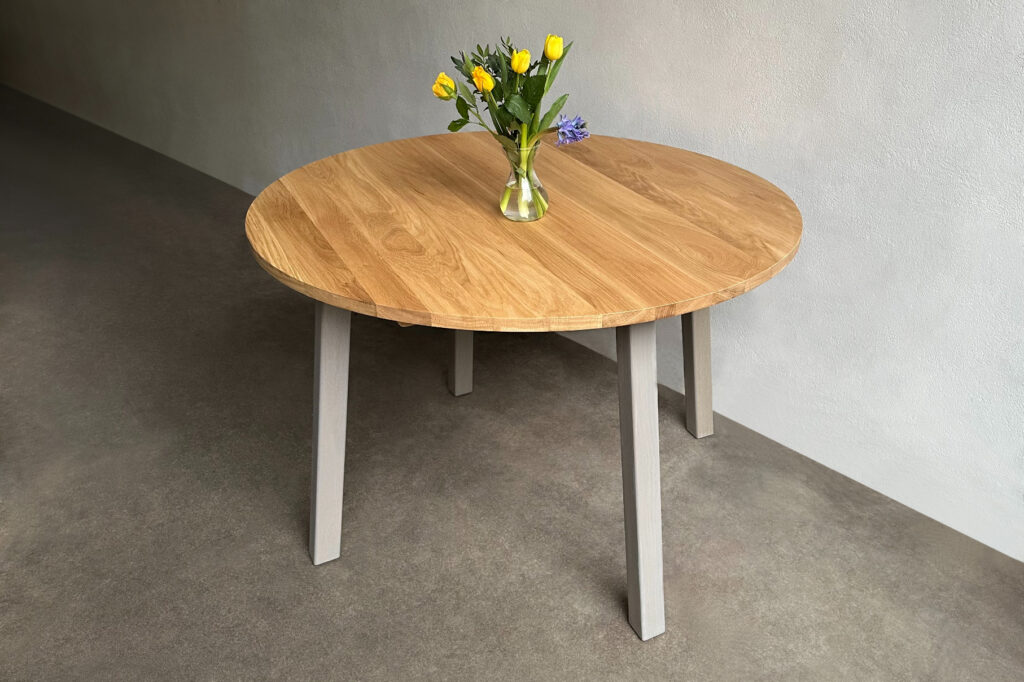
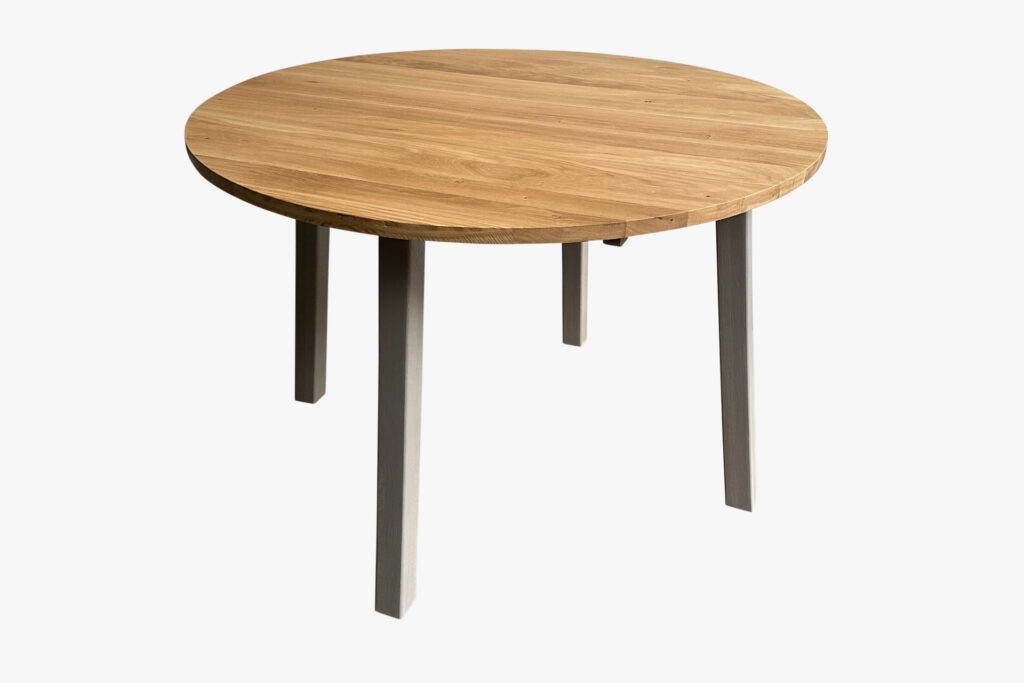
The Record 65 table has a round top and a single central leg. It is built using solid American or European oak, and beech is also available on request. The table stands at a standard height of 74 centimetres and includes a 24 millimetre thick full stave oak top for durability and visual appeal. It can be customised for your preference, though! The legs are angled and made from the same solid oak for a cohesive and strong structure. This specification offers excellent support while creating a clean visual profile that complements modern interiors. This gives more legroom and reduces obstruction. It works particularly well in flats and narrow layouts. You can order the table in different diameters to match your available space. The solid oak top adds visual warmth while keeping a clean and simple profile.

This model uses full stave solid oak tables for strength and visual appeal. It is finished in a satin hardwax oil that protects the wood and shows the natural grain. This means it can handle everyday use and still look good over time.

Options for finishes and features

The Record 65 table can be made to exact sizes. You can also choose your edge style and leg finish. Most customers select a clear oak tone, but we also offer warm and dark tints. Painted legs are available in standard or custom colours, or we can leave them sanded so you can paint them yourself.

Customers often pair this table with custom oak benches that match the style and dimensions. These can be designed to slide underneath the table when not in use. For inspiration, you can view other small dining table ideas in our Tablemaker Dining Guide.

Pro Tip: When choosing a finish, go for a lighter oak tone or painted legs if your room has limited natural light. These tones reflect light and help the space feel brighter and more open without changing your layout.

Pro Tip: If you are unsure what table size fits your room, sketch your layout or use painter’s tape to map out the table dimensions on your floor. This gives you a true sense of space for walking, seating and placing chairs around the table before ordering.

Are there other good options for small spaces?

ATO 55 Dining Table

This model is ideal for compact spaces or rooms with multiple uses. The design has a slim top and square tapered legs, which help it feel lighter in smaller areas. It can be customised in size, making it one of the most compact solid oak tables we offer.

Element 57 Dining Table

This is a good option for people who want a modern rectangular table. The clean angles and balanced form make it well suited to minimalist homes. It fits comfortably into open layouts and supports four to six seats.

Radius 70 Dining Table

This table has rounded edges and balanced proportions. It is popular in family homes because the softened corners are safer for children. It works well in shared spaces used for dining, play or work.

How can you make a small dining room look and feel better?

Choose light colours and simple shapes

Lighter finishes reflect more natural light, which helps make the room feel bigger. Clear finished oak works well here. You can also select painted legs in off white or pale grey to create a calm, open look.

Use furniture that doubles up

Custom oak benches with hidden storage or corner seating with lift up lids help keep things tidy. Choosing a table with simple lines and a central leg, like the Record 65 round table, helps maximise usable floor space.

Use vertical space for storage

Adding shelving above or around the dining area creates space for storing cutlery, dishes or cookbooks. It also frees up cupboards for other uses and helps keep the room looking organised.

What sets Tablemaker tables apart from others?

Built in London to order

Every dining table is made in our London workshop. We cut and build each one to the size you need. This is useful if you have specific measurements or want to fit your table between walls, cupboards or other furniture.

Full stave oak and solid materials

We use only proper solid hardwoods such as oak, walnut, ash, pine and beech. These materials are not only strong but also repairable. You can sand and re oil our tables over the years to keep them looking new.

Designed for long term use

We build our tables with hidden straightening bars under the surface. These prevent warping and make the table stable even after many years. The finish is designed to resist marks and can be refreshed easily with maintenance oil.

Fast service and helpful advice

Most of our tables are built within two or three weeks. You can speak directly to our team about measurements or features. We also offer advice on finishes, care, or Custom Dining Tables that fit your space.

Need a Space Saving Dining Table?

The Record 65 round table is our most popular small room option. Custom built in full stave oak to fit perfectly in tight layouts.

Request a Quote

Choosing The Right Dining Table For Small Areas

The Record 65 round table is the best dining table for small rooms because of its flexible sizing, central leg and timeless design. It is easy to move around, simple to style, and made to fit your home. For people in London and beyond who want a table that suits their space and lasts for years, Tablemaker is a dependable choice. Get some more ideas here.

FAQs

What is the best Tablemaker dining table for a small room?

The Record 65 round table is the most practical option. It fits well into tight layouts and allows for easy seating.

Can I order a dining table in a custom size?

Yes. All our tables are made to your preferred dimensions including length, width and height.

Are solid oak tables suitable for small homes?

Yes. Oak is a dense and durable wood that suits both small and large spaces.

What dining table shape saves the most space?

Round tables make the best use of limited space. They support better movement and flexible seating.

Do you make custom oak benches or chairs?

Yes. We offer custom seating that matches the table size and can include built in storage or low clearance designs.

Get a Custom Table Built for Your Room

Our London team will build your solid oak table to exact size, finish and fit. No guesswork. Just comfort, style and use that works every day.

Start Your Custom Desk Design

Tablemaker

55 High St, London N8 7QB

02083416334

HVQM+58 London
 

Posted on

Can I Add a Cable Notch to a Desk? Expert Guide

Cable desk notch featured image

Can I Add a Cable Notch to a Desk? Expert Guide

Can I Add a Cable Notch to a Bespoke Desk?

Adding a cable notch to a desk is a simple and effective way to keep cables tidy and your workspace looking smart. Whether you want to modify an existing desk or design a new one, a cable notch lets wires for monitors, chargers, and other equipment pass neatly through the surface without spoiling the look of your furniture. At Tablemaker, we create desks with built-in cable solutions that look great and make life easier for homes and offices across London.

How a Cable Notch Can Help

Cable management makes a noticeable difference to how a workspace looks and works. A tangle of wires can spoil even the best furniture, but a well-placed cable notch keeps everything in order. This approach is popular in both home offices and commercial spaces across London. Read more here.

What Is a Cable Notch and Why Is It Useful?

What Exactly Is a Cable Notch?

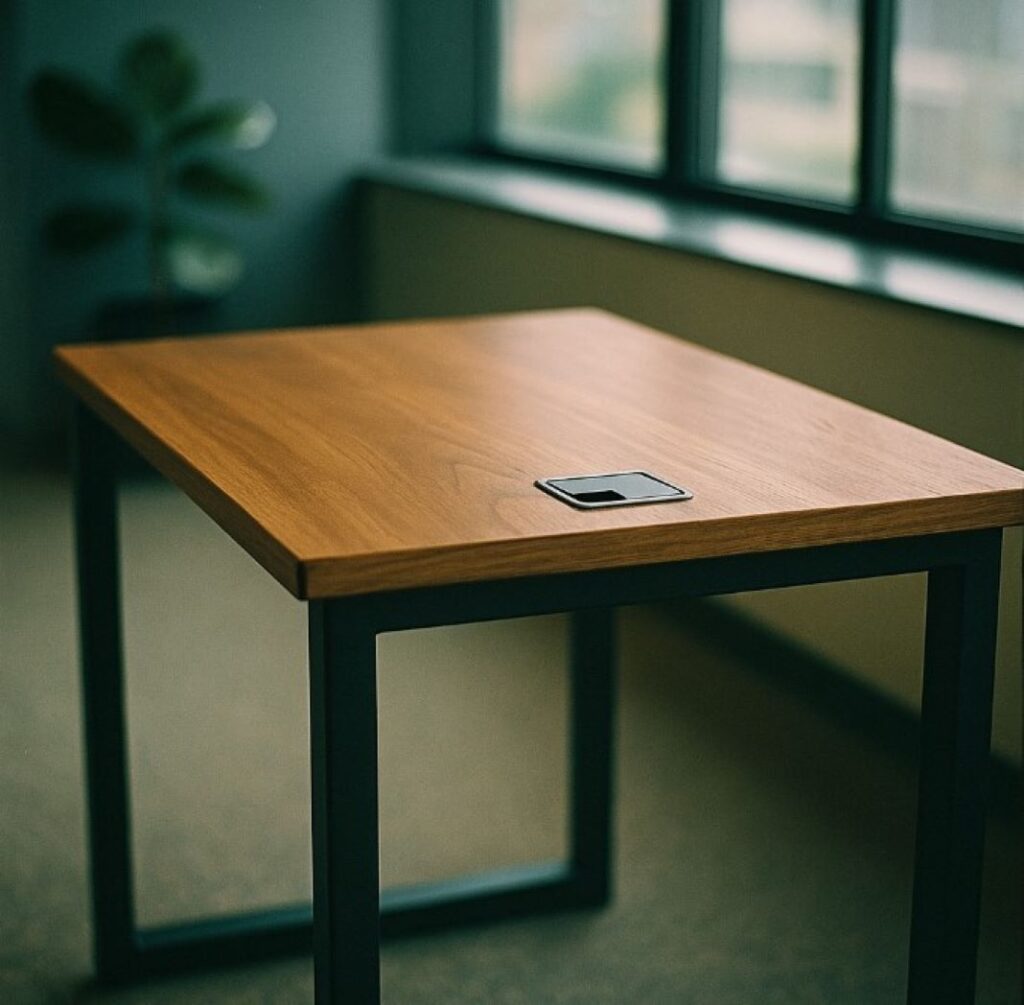
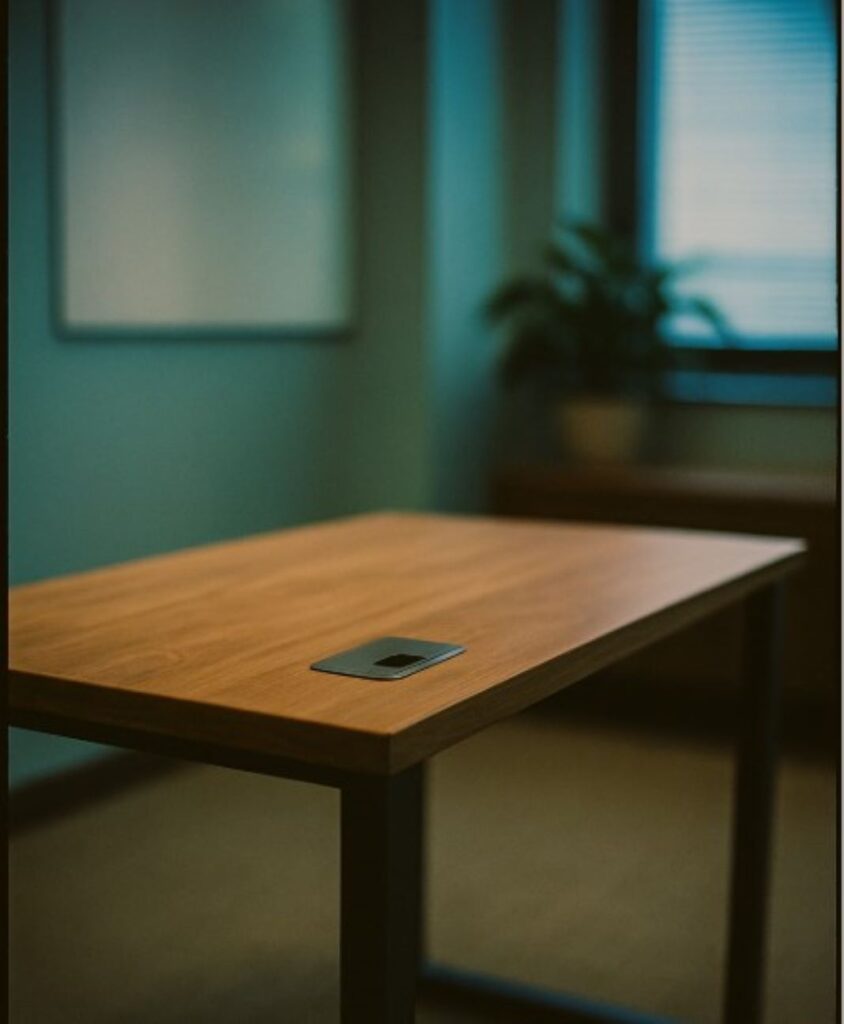
A cable notch is a small open cut, usually made at the rear or side of a desk, that allows cables to pass through neatly. It differs from a grommet or cable port in that it typically does not involve a separate fitting. Instead, it blends into the furniture, keeping things simple and tidy.

Cable Notch, Cable Grommet, and Cable Tray: What Is the Difference?

  • Cable Notch: A clean, open slot cut directly into the surface or edge.

  • Cable Grommet: A round or square hole lined with a plastic or metal insert.

  • Cable Tray: A basket or channel fitted underneath the desk for organising horizontal cable runs.

Why Built-In Cable Management Is Better

A desk designed with cable routing from the beginning avoids the need for external fixes. Cables stay organised, visible clutter is reduced, and your furniture retains its original appearance.

Pro Tip: To future-proof your workspace, place your cable notch near where you plan to install monitors or charging docks. This makes cable changes easier as your setup evolves.

Pro Tip: If you’re using heavy-duty cables or multiple plugs, always ask about the notch width before ordering a desk. This ensures smooth cable flow and protects the furniture.

Top 7 Reasons to Add a Cable Notch to Your Desk

Makes Your Desk Look More Presentable

Tidy cables improve the look of your workspace and contribute to a more professional setup. A notch helps cables disappear from view, leaving the desk clean.

Improves Focus and Comfort

Less visible mess creates a calm work environment. When your space is well organised, it is easier to concentrate and work efficiently.

Reduces Cable Damage

Cables that hang loose are more likely to get trapped or bent. A smooth cable path reduces wear and protects expensive electronics.

Supports Advanced Setups

Multiple monitors, laptop docks and charging units require clean routing. A well-sized notch handles these demands without mess.

Helps Maintain Desk Condition

Dragging cables around edges or corners can wear down finishes. A cable notch offers a dedicated path and avoids wear marks.

Allows for Easy Upgrades

When your tech changes, a built-in notch gives you space to add or remove items without making new holes or using adhesive clips.

Increases Desk Value

Buyers looking for quality desks appreciate built-in features. A smart notch shows the desk was designed with real use in mind.

Can You Add a Cable Notch to a Desk You Already Own?

Consider Desk Material First

Solid wood, MDF, and veneer desks are usually suitable. Glass or metal desks are not ideal for cutting and often need alternatives.

Use the Right Tools

A drill, jigsaw, and clamps can help. For a clean result, accurate measurement and steady hands are essential.

Professional Work Offers Peace of Mind

If your desk is expensive or well-used, hiring a specialist avoids mistakes. Tablemaker offers this service across London, and we match the finish so it blends perfectly.

Upgrade an Existing Desk

Already have a desk you love? We can add a cable notch and give it a tidy new lease of life. Get a quote today.

Request a Retrofit Quote

Why Add a Cable Notch During the Desk Design Phase?

Matches the Design from the Start

When included in the design, the notch is placed exactly where you need it. There’s no risk to the material or finish.

Protects the Desk Material

By cutting the cable path before finishing the desk, there’s no risk of chipping or splintering. This protects both the look and strength of the wood.

Tailored to Your Setup

We help clients plan their desk around their needs. Whether you use dual monitors, under-desk power units, or wireless chargers, we make sure your cable routing works smoothly.

You can view examples of our past work in the custom desk gallery.

Is It Better to Do It Yourself or Use a Professional?

Risks of DIY

It is easy to misjudge the location or damage the surface. Mistakes can be hard to repair.

Advantages of a Professional Job

Specialist tools allow for fine work that protects the finish. We also seal or coat the notch to match the rest of the desk.

What Tablemaker Offers

We advise on whether retrofitting is possible and suggest notch shapes and sizes that fit your use. For new desks, we include cable access from the design stage. Contact us through our enquiry form.

What Are the Best Cable Notch Designs?

Rounded and Oval Notches

Simple and compact, these are useful for light setups. Placed at the rear centre, they guide cables directly to the wall socket.

Rectangular and Wide Notches

Useful for shared desks and heavier setups. These can hold several cables and even small adapters.

Hidden Underside Notches

Cut into the underside of the desk, these are ideal for clients who want a completely clear surface.

Where Should You Place a Cable Notch?

Rear Centre for Main Screens

This works well for setups with monitors and keyboard cables. It provides a straight path to floor-level power.

Rear Side for Side Devices

If you have lights, printers, or speakers to one side, adding a notch in that corner prevents wires trailing across your workspace.

Shared Desks

For meeting tables or shared spaces, central rectangular notches with access from both sides keep things neat for multiple users.

Which Desk Materials Work Best With Cable Notches?

Solid Wood

Oak, walnut and ash offer a good surface for notching. They look clean and remain strong around the opening.

Veneered MDF

Good for modern interiors and affordable custom builds. The cut needs care to avoid chipping.

Laminates

With the right blade and prep work, laminate desks can be notched too. It is best done by a professional.

How Much Does It Cost to Add a Cable Notch?

Cost Factors

A notch added during a custom build is often included in the desk price. Retrofitting costs depend on access and finish.

Typical Range

Expect to pay between £40 and £100 if modifying an existing desk. Extras like brush seals or cable covers cost more.

Can a Cable Notch Be Changed or Covered Later?

Flexible Setup

Yes, most wooden desks can be reworked. Extra notches can be added or widened. Covers can hide unused ones.

What Are the Alternatives?

Cable Grommets

Fitted inserts with a clean finish. Useful when placing holes in fixed spots.

Under Desk Cable Trays

Carry multiple wires together under the surface. These work well with or without a notch.

Clamp-On Ports

Good for renters or temporary use. These avoid permanent changes to the furniture.

How Do You Keep a Cable Notch in Good Condition?

Cleaning and Checking

Dust it weekly and check the edges for wear. Use soft cloths only.

Add Edge Protection

Rubber or brush inserts reduce rubbing and keep things looking tidy.

What Makes a Cable Notch Sustainable?

Materials and Lifespan

Using FSC-certified wood and long-lasting finishes helps. A good notch can last for the life of the desk.

Reuse Options

A notch can be reused or repurposed. It can also be filled, repainted or sealed if no longer needed.

Read more on our sustainability commitment.

What Have Other Clients Said About Tablemaker Cable Notches?

Client Feedback

“I wanted something that looked great but worked well. Tablemaker added a notch where I needed it, and now I can’t imagine my desk without it.”

See Our Work

Explore our project gallery for examples of smart cable setups.

Should You Add a Cable Notch to Your Desk?

Yes. It improves daily use, supports modern technology, and keeps your furniture tidy. Whether for a retrofit or a new build, it is a small upgrade that offers daily value.

Speak to us about your workspace and we’ll help plan a solution that suits your needs.

Get in touch with Tablemaker for your cable notch solution.

Frequently Asked Questions About Desk Cable Notches

Can I add a cable notch to a glass desk?
Glass desks are not suitable for notching in the same way as wood. However, clamp-on cable channels or adhesive cable clips can be used as alternatives.

Will cutting a cable notch weaken my desk?
Not if it is done correctly. When added in the right location and with proper technique, a cable notch will not affect the structural integrity of your desk.

How many cable notches can I include in one desk?
As many as you need, depending on the layout and use of your equipment. Most users opt for one or two notches placed at the rear or sides.

What is the best size for a cable notch?
That depends on the cables you plan to run through it. Most users find a 20 to 40 millimetre wide notch is enough for monitors and laptop chargers. Larger setups may need up to 60 millimetres.

Can I change or move the notch later?
It is possible to modify a notch, though this is easier with wooden desks. If the desk material and design allow it, a notch can be widened or covered and replaced elsewhere.

Design Your Desk with Built-In Cable Solutions

Want a desk that works with your tech and looks good in your space? We’ll help you create one that hides the mess and fits your needs perfectly.

Start Your Custom Desk Design

Tablemaker

55 High St, London N8 7QB

02083416334

HVQM+58 London
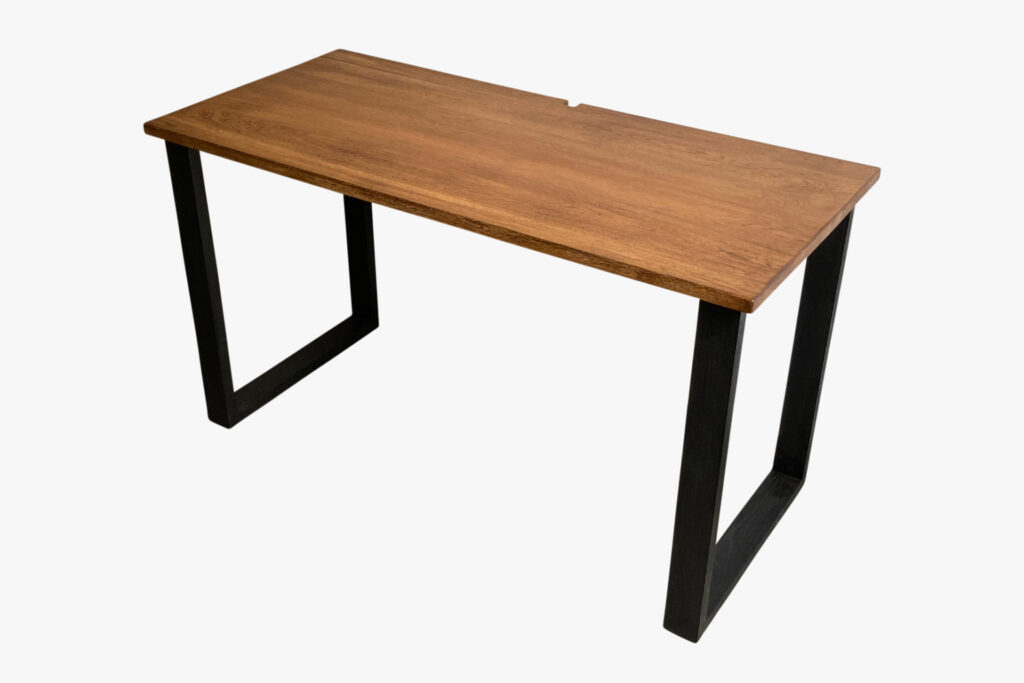
 

Posted on

How Long Do Tablemaker Tables Last?

Blog featured image

How Long Do Tablemaker Tables Last?

How long do Tablemaker tables really last?

Tablemaker solid wood tables are built to last for decades. Crafted in London using traditional joinery and durable British hardwoods like oak, ash and walnut, these tables are designed to endure everyday use in homes and commercial spaces alike. With proper care, many customers report their Tablemaker pieces lasting well over 20 years. Thanks to the company’s restoration and resizing services, their lifespan can be extended even further, making them a truly sustainable and long term furniture investment.

What Makes Tablemaker Tables Durable?

Expert British Craftsmanship

Tablemaker tables are handmade by skilled furniture makers in the UK using techniques that have stood the test of time. Each piece is built with care and purpose to ensure strength and stability from the inside out.

Hardwood Selection and Sustainability

Every table is made using full stave hardwoods including European oak, ash and walnut. These timbers are known for their density and slow wear rate. Solid oak is especially popular thanks to its tight grain structure, which provides natural resistance to knocks and movement.

Durable Natural Finishes

Tablemaker uses breathable hardwax oils that are low in volatile organic compounds and food safe. These finishes protect the timber against moisture and light abrasions, while allowing the surface to be refreshed easily. You can maintain the table without sanding it back completely, which supports long term use.

Tablemaker Table Types and Expected Lifespan

Dining Tables

Dining tables from Tablemaker are built to handle daily meals, laptop use, homework and social gatherings. Many customers have used their dining tables for over two decades with only minor surface touch ups needed.

Coffee Tables

Designed for casual and high use areas like living rooms, coffee tables from Tablemaker are protected with durable finishes and built from resilient hardwoods that hold their shape and finish for years.

Console and Side Tables

These lighter use pieces benefit from the same construction techniques as larger models. Whether used in entryways or as nightstands, their structural soundness means they can last just as long with proper care.

Pro Tip: Think long term when choosing wood. Solid oak may cost more upfront but it offers better wear resistance and can be resurfaced easily, making it the best value over decades.

The Lifespan of Solid Oak Tables

Why Oak Tables Last So Long

Oak is a go to material for lasting furniture. It is hard, stable and less likely to show dents or scratches compared to softer species. Its natural tannins also offer a small degree of resistance to pests and fungal growth.

Compared with Other Types of Wood

While pine and beech are common in mass market furniture, they are more likely to dent and distort over time. Solid oak, ash and walnut are more reliable for long term structural integrity. These hardwoods age well and often improve in appearance with time, making them ideal for heirloom quality tables.

How are Tablemaker tables constructed to last?

The Importance of Proper Joinery

A major reason Tablemaker tables last so long is because of how they are joined. Mortise and tenon joints distribute load evenly and reduce wobble. Pocket hole joinery, where used, is hidden and reinforced to keep the frame rigid without being bulky.

Built in Strength Features

Large or long tables can be fitted with removable straightening bars underneath. These metal supports are designed to minimise cupping or bowing in wide tops. They are fixed with screws rather than adhesive, which makes them easy to adjust or remove for repairs if needed.

These kinds of reinforcements, paired with precise joinery and full stave hardwoods, contribute significantly to the lasting quality of solid oak tables.

What factors affect how long a solid wood table lasts?

Daily Use and Household Habits

Frequent use, direct heat, heavy impacts or sharp objects can shorten the life of a table. Using placemats, coasters and avoiding standing water on surfaces helps protect against wear. Tables used for dining or work are often exposed to more stress, but these risks are manageable with good habits.

Environmental Conditions

Room humidity, temperature changes and direct sunlight can impact hardwood over time. Fluctuations can cause the wood to expand or contract slightly. Placing your table away from radiators or large windows, or using blinds and ventilation, helps keep conditions stable.

Routine Maintenance

Tables that are wiped regularly with a soft damp cloth and re-oiled occasionally will last much longer. Avoiding harsh chemicals and letting spills sit on the surface helps maintain the finish. The ability to reapply hardwax oil means the protective layer can be refreshed before any damage sets in.

Pro Tip: Choose finishes based on your lifestyle. If you have young children or pets, opt for finishes that are easier to maintain and refinish. Tablemaker’s hardwax oil options are ideal for this.

Can Tablemaker tables be restored or resized?

Tablemaker Restoration Services

Yes. One of the unique things about Tablemaker is their in house table restoration service. If your table has seen years of use, has surface damage or no longer suits your space, Tablemaker can clean, sand, refinish and adjust it for a new lease of life. This service helps reduce waste and supports longer product use.

Reusing and Reshaping Existing Tables

Rather than replacing an old table, many customers opt to have it modified. A larger dining table might be resized into a desk or smaller breakfast table. Edges can be reshaped, legs can be swapped and cable holes or fittings can be added to support new uses. These kinds of custom projects extend the life of solid wood furniture without compromising quality.

Do customised tables last longer?

Built to Suit Usage and Space

One of the benefits of ordering a custom table is that it can be made to match how you live and the space you have. When a table is properly sized and fits well, it is less likely to suffer from misuse or awkward placement. This helps protect the structure and surface over time.

Added Features for Functionality

Customised options can include rounded corners for safety, adjustable height for accessibility, or integrated cable holes for home office use. These adjustments do more than make the table fit better. They make it more usable every day, which means fewer reasons to replace it later.

Materials and Finish Chosen by You

When you choose the timber and finish yourself, you are more likely to take care of the piece because it reflects your style and preferences. Tablemaker also offers advice on what woods work best for different settings so your choice supports durability from the start. Explore available materials on our samples page to find your best fit.

Build Your Perfect Table

Need a table that fits your lifestyle and space? Tell us what you need and we’ll build it in our London workshop using premium hardwoods.

Call Tablemaker

How long should you expect a Tablemaker table to last?

Realistic Lifespan Expectations

For households that follow good care routines, a Tablemaker table can easily last between 20 and 30 years. In some cases, customers have kept their pieces even longer, particularly when the table has been refurbished or repurposed for a new space.

What Are the Signs a Table May Need Work?

If a table begins to show deep wear, surface cracking, or signs of movement in the joints, it may be time to consider refurbishment. These issues do not always mean replacement is needed. Tablemaker can restore or adapt the piece to bring it back into daily use.

Is a Tablemaker table a good investment?

Cost Compared to Years of Use

Rather than replacing a budget table every five to ten years, a Tablemaker piece is built to remain in use for much longer. If you divide the cost by the number of years it remains part of your home, it often works out better value than frequent replacements. This is especially true for high demand items like solid oak tables.

Long Term Satisfaction

Because each table is made to order and built using high quality materials, owners tend to hold on to them. The ability to refresh the surface or adjust the size later means your table can grow and change with you, making it a smart long term purchase.

Learn more about value comparisons in our buying guides, where we break down material quality and cost over time.

Built to be used, built to last

Tablemaker tables are made with genuine care, using solid timber and proven construction methods. Whether it is a dining table in constant use, a hallway console, or a custom home office desk, every piece is created for long term function and daily living. Customers who invest in a Tablemaker table do so knowing that it will serve them well, not just for a few years, but for decades.

If the table ever needs refreshing or repurposing, Tablemaker’s restoration team is ready to help. This blend of durability, flexibility and support makes each table a solid investment for the long haul.

Frequently Asked Questions

How do I maintain a Tablemaker table? Wipe the surface with a soft damp cloth, avoid harsh cleaners and reapply hardwax oil when the finish begins to dull. Use placemats and coasters to avoid marks.

Are Tablemaker tables safe for homes with children or pets? Yes. The finishes are food safe and low in harmful chemicals. Rounded edge options are available for added safety in family homes.

Can I change the size of my table after I’ve bought it? In many cases, yes. Tablemaker offers resizing services for clients who want to adapt their table to a new space or layout.

What wood should I choose for best longevity? Oak is the top choice for strength and wear resistance, followed closely by ash and walnut. All hardwood options used by Tablemaker are selected for durability.

Do Tablemaker tables come with a warranty? Yes. Each table is covered by a manufacturer’s warranty and long term aftercare is available through the workshop.

Restore or Resize Your Existing Table

If your current table needs a refresh or no longer suits your room, we can restore or modify it so it lasts even longer.

Request a Restoration Quote

Tablemaker

55 High St, London N8 7QB

02083416334

HVQM+58 London
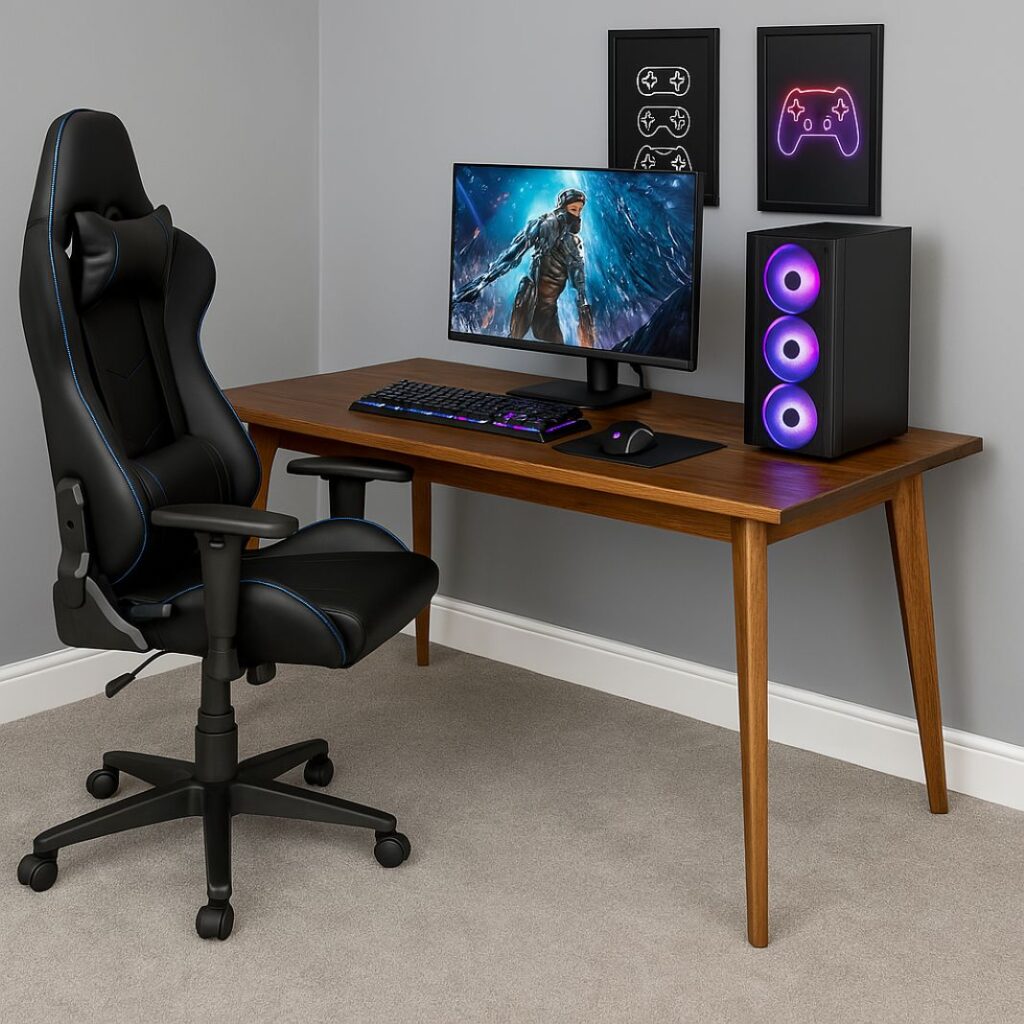
 

Posted on

Where Is Tablemaker Based and Can I Visit?

Where Is Tablemaker Based and Can I Visit?

Where is Tablemaker based and can I visit the showroom?

Tablemaker is based at 55 High Street, London N8 7QB. We welcome visits to our showroom by appointment. You’ll be able to explore our work, see examples of bespoke tables and cabinetry, and talk through your ideas with someone from our small team. Visiting by appointment means we can make sure the space is ready for you and give you the time and attention you need.
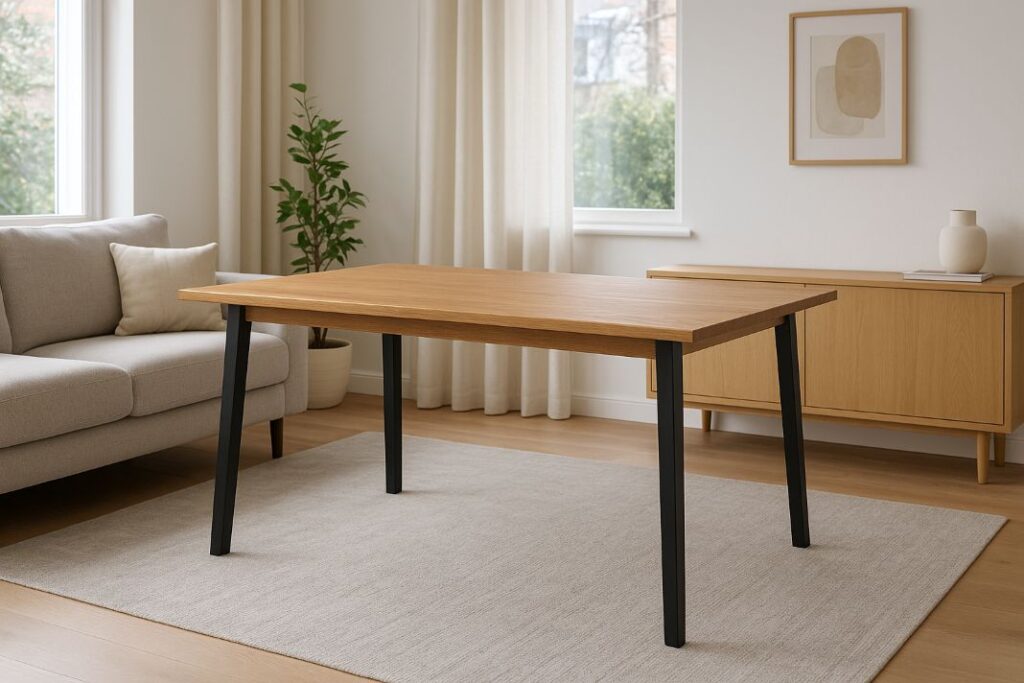
About Tablemaker

Tablemaker is a furniture maker based in London, known for creating made-to-order pieces in solid wood. We build everything by hand, one at a time, in our North London workshop. The focus is always on good design, well-sourced timber, and thoughtful, lasting furniture that works in your home.
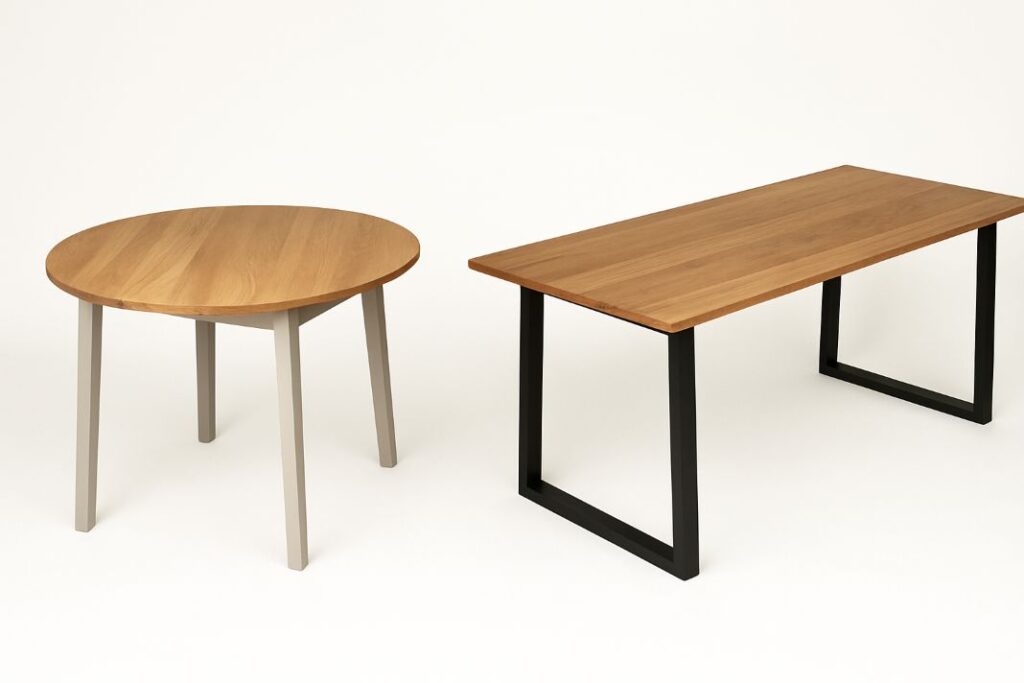
We make a wide range of pieces including dining tables, desks, side tables, and coffee tables. Each design can be adjusted in size, shape, finish, and material to fit your space. We believe in keeping it straightforward — tell us what you need, and we’ll build it to suit.

Our London Workshop and Studio
The Address

You’ll find us at: 55 High St, London N8 7QB We design and build our furniture right here in the same space.
The Neighbourhood

Our showroom is in Crouch End, North London. It’s a neighbourhood with a mix of local shops, old houses, and creative businesses. We’re part of a community of independent makers, and that spirit carries through in the way we work.

Getting Here

The nearest train station is Hornsey, and there are regular buses that stop nearby. If you’re driving, there’s street parking close to the showroom. Just check for parking signs before you leave your car.

Why the Location Matters

Local Design Identity

We’ve been based in North London for years, and it has shaped the way we design and build furniture. There’s a strong tradition of woodwork and design in the area, and we take a lot of cues from the materials and people around us.
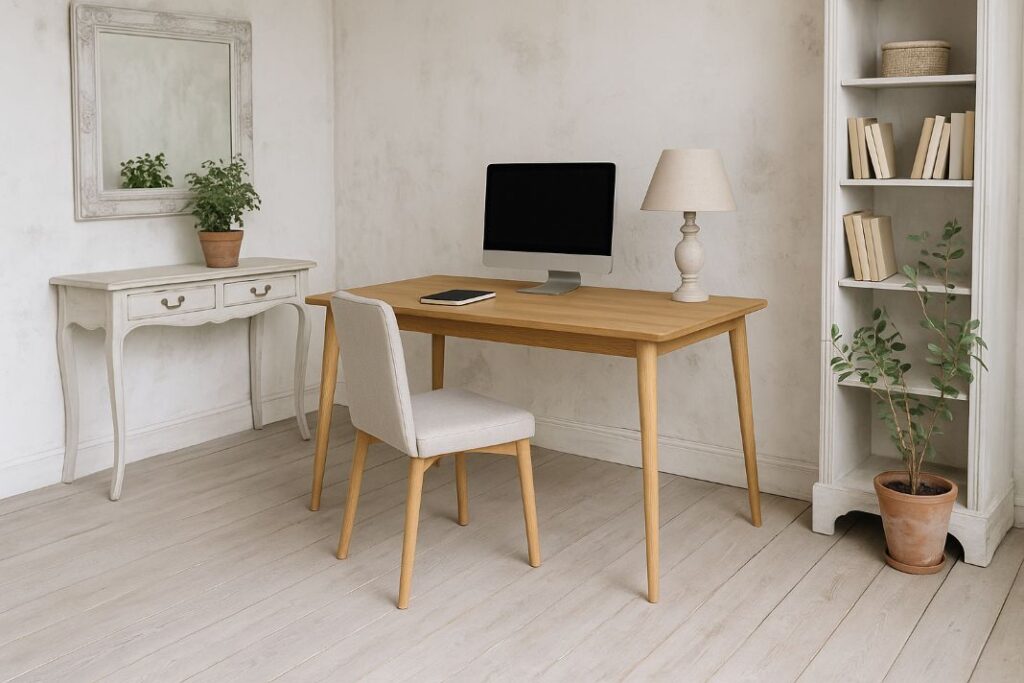
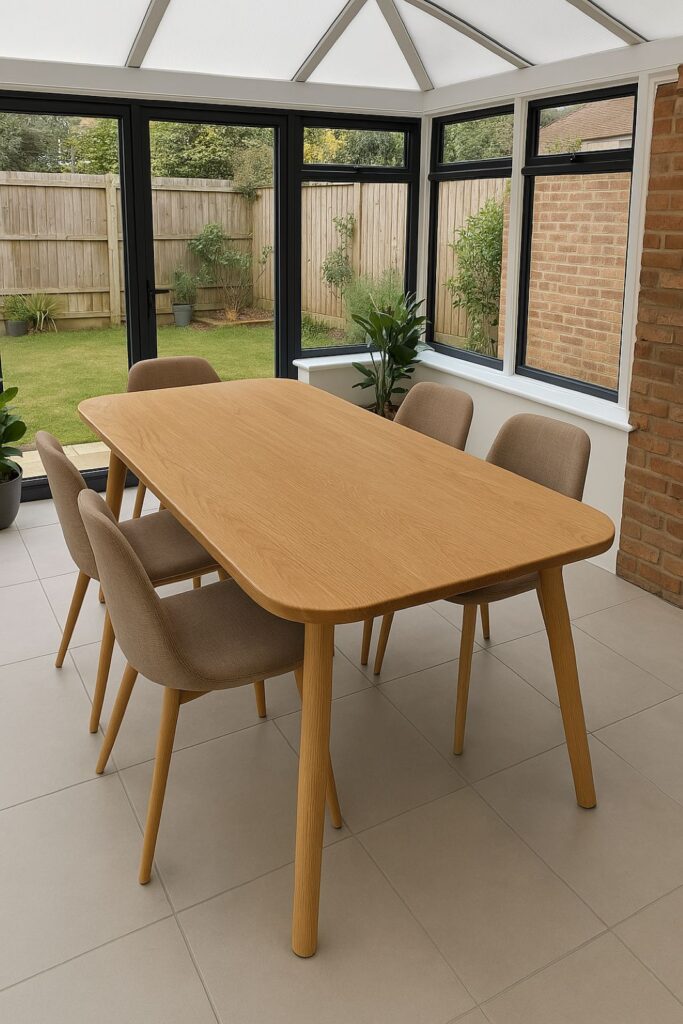
A Space for Creativity

Our showroom and workshop are side by side. That means you’re not just looking at finished pieces on display—you’re seeing where and how they’re made. People often find it helpful to understand how a piece comes together before they decide what they want.

Pro Tip: Bring photos or measurements of your space when you visit the showroom. It helps us give you the most relevant advice and ideas.

Visiting Tablemaker: What You Need to Know

By Appointment Only

We work by appointment so we can give each person proper time and attention. You won’t be sharing the space with other visitors, and we can set things up in advance based on what you’d like to see.

Booking a Visit

It’s easy to book an appointment. Just give us a ring on 020 8341 6334 or email hello@tablemaker.live. Let us know what kind of furniture you’re interested in, and we’ll make sure the right examples and samples are ready.

What to Expect at the Showroom

Showcase of Bespoke Furniture

You’ll see a mix of tables, desks, shelving, and more—some made for previous clients, others in progress. Everything is made using solid hardwood like oak, walnut, beech, or pine — no chipboard or MDF.

Meet the Makers

One of us will talk you through how we work. We’ll listen to what you’re looking for, show you different options, and answer any questions. Whether you’re after a one-off table or fitting out an entire room, we’re here to help.

Samples and Finishes

We’ll show you a range of finish samples and timber types. Our tables are finished with hardwax oil which gives a natural, easy-to-maintain surface. Samples can be handled and compared in the showroom to help with your decision.

The Benefits of Booking a Visit

See the Furniture Up Close

Photos can only show so much. Seeing our furniture in person gives you a better idea of the colour, texture, and feel of the wood. You’ll be able to notice the details that matter most.

One-to-One Conversation

We’ll sit down with you and talk through your ideas. There’s no rush and no hard sell. Our job is to help you figure out what fits your needs, whether that’s a dining table, a fitted piece, or something else entirely.

Testimonials from Visitors

People often tell us how helpful it was to see everything up close and talk things through in person. Being able to handle the wood and see real pieces gives them the confidence to move ahead with their ideas.

“We live just down the road in Muswell Hill and had been looking for a proper dining table for months. Visiting the showroom made a huge difference. Seeing the pieces in person and chatting about what we needed helped us decide quickly. We now have a table that actually fits our space.”
Anna & James, N10

“I’m based in Finsbury Park and needed a solid desk for working from home. The team at Tablemaker were friendly and easy to talk to. I saw the desk top I wanted, chose a finish, and it was delivered just a few weeks later. Couldn’t be happier with it.”
Mark, N4

Pro Tip: If you’re unsure about which timber works best in your home, ask to compare samples in natural light at the showroom.

Health, Safety and Accessibility

Comfortable Environment

Our showroom is tidy, quiet, and easy to get around. There’s somewhere to sit, and we’ll always offer a drink when you arrive.

Safety Measures

We book just one visit at a time so you have the space to yourself. It’s peaceful, private, and there’s no pressure.

Services Offered During Your Visit

Design Conversations

We’ll look at ideas together, maybe sketch a few things out, and talk through how your piece could work. If you have drawings or inspiration images, feel free to bring them.

Commissioning Furniture

We build everything in our own workshop, and most pieces are ready within two to four weeks. We’ll go through lead times and give you a straightforward quote. Once agreed, we send drawings and a build schedule.

Furniture Care

We’ll explain how to keep your furniture looking its best, from day-to-day care to long-term maintenance. Solid wood can be lightly sanded and refinished over time, so your piece can age well and stay in use for decades.

How to Get in Touch

If you’d like to come and see us, or have questions first, just get in touch:

  • Phone: 020 8341 6334

  • Email: hello@tablemaker.live

  • Or visit us by appointment: 55 High Street, London N8 7QB

Visit Our London Workshop

We build furniture one piece at a time. Talk to us about what you need and let’s make it happen

Call Table Expert

Frequently Asked Questions

Do I need to pay to visit?

No, visiting the showroom is free. We book by appointment so we can give you our full attention.

How long does a visit take?

Most visits last around 30 to 60 minutes, but we’re happy to take more or less time depending on what you need.

Can I bring someone with me?

Yes, feel free to bring a friend, partner or designer. Just let us know who’s coming.

Why Choose Tablemaker In London?

We’re a small team who care about making furniture properly. Everything we build is made one piece at a time, using solid wood and reliable joinery. We offer more than standard sizes — you can choose every detail, from leg shape to top thickness.

We also work with homes, restaurants, shops, and offices across the UK. If you need something that fits just right, whether it’s a dining table or a workspace, we’ll make sure it works for how you live or work.

Stay Connected

Want to see more of our work and stay in touch?

Visit Us by Appointment

Showroom Address:
Tablemaker
55 High St, London N8 7QB
Phone: 020 8341 6334
Email: hello@tablemaker.live

Appointments are available Monday to Saturday. Please contact us to arrange a suitable time. We look forward to meeting you.

Start Your Custom Furniture Project

Whether it's a dining table or something built-in, we're here to help you create something lasting and personal.

Contact Tablemaker

Tablemaker

55 High St, London N8 7QB

02083416334

HVQM+58 London